Krill: A Potential Weapon in Ocean Plastics Battle
Marie Donlon | March 09, 2018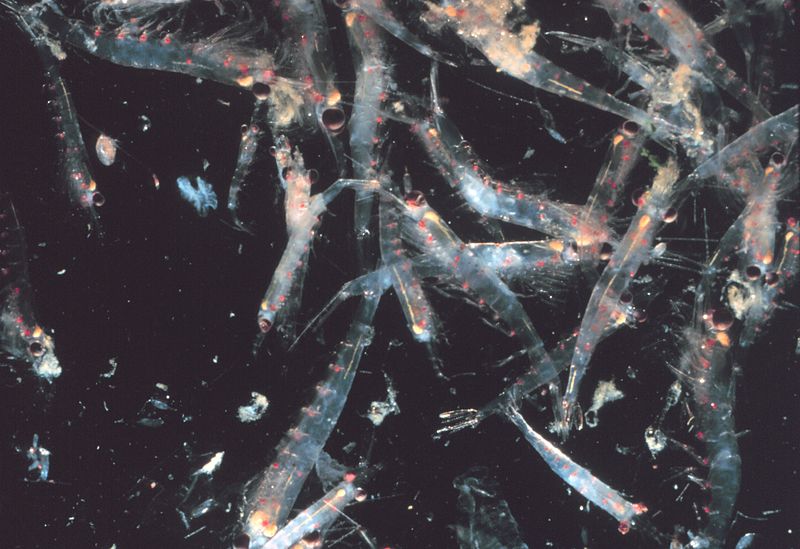 With an estimated eight million tons of plastic finding its way into our oceans each year — threatening marine ecosystems and killing marine life — one researcher may have inadvertently discovered a potential weapon to combat the threat of ocean plastic pollution.
While working on a project concerning the impact of microbeads on krill at the Australian Antarctic Division’s krill aquarium, study author Amanda Dawson discovered that krill (the tiny zooplankton at the bottom of the food chain) can digest microplastics under 0.2 inches. The microplastics are then expelled back into the ocean, but on average 78 percent smaller than before.
"We realised that krill actually break up plastic, it was amazing," said the researcher from Australia's Griffith University.
"It's difficult to know exactly what the implications of this could be, but the theory is that because plastics in the ocean are already degraded and more fragile, they would be even easier for krill to break up."
Yet, Dawson cautions that more research needs to be conducted, suggesting that the there is still potential for passing toxins down the food chain via the expelled particles.
"We've barely scratched the surface and more work is needed," she said.
The research is published in the journal Nature Communications.