Automotive Biosensor Market Driven by Three Key Factors
Dan Heilman | October 11, 2016A London tech research firm forecasts that the global market for automotive biosensors will grow at a rate of almost 19% over the next four years.
A report from Technavio projects that automotive biosensors are likely to experience a one-digit market penetration in the passenger car segment only beyond 2020, especially among luxury cars. Still, even though the market entry of biosensors might initially be restricted to high-end cars, the technology should expand to other car segments beyond the forecast period.
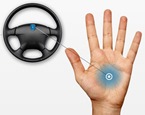 Sensors in transmission shift knobs can detect the presence of alcohol. Image source: Sober Steering Technavio says three factors often lead the list of factors driving increased use of sensors: drunk driving, distracted driving, and elderly drivers.
Of all alcohol-related fatalities, almost two-thirds involve drunk driving. That could encourage the development of biosensors in automotive applications in the form of alcohol sensors, which can be placed inside the vehicle in transmission shift knobs to detect the presence of alcohol in a driver's palm. Such sensors can be engineered to signal the driver to stop the car.
The World Health Organization has cited distracted driving as one of the most critical risk factors leading to road fatalities. Biosensors are under development that can detect the level of a driver’s distraction and respond by controlling the vehicle accordingly.
Finally, global senior populations are likely to grow over 60% over present numbers in the next 15 years. Many of those seniors will still own their own vehicles and be active drivers. Earlier this year, the EU Commission ranked senior citizens second in terms of road fatalities. Siddharth Jaiswal, a lead automotive electronics analyst at Technavio, says that the vital parameters monitored by biosensors –even something like unusual perspiration -- may warn senior drivers to stop the vehicle or seek medical attention on the road.
Technavio based its findings on the penetration of the automotive biosensors market so far among passenger cars, along with in-house databases on biosensors application in various industry vertical markets.