Walmart determines jobs, promotions with VR tests
Marie Donlon | July 16, 2019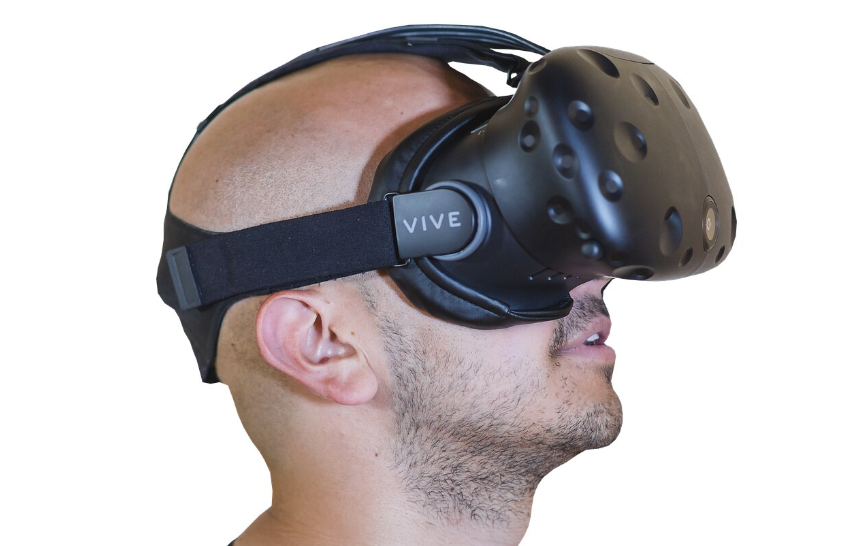 Retail giant Walmart is now using virtual reality (VR) headsets to determine which employees are equipped to take on middle management positions within the company.
Regarded as the largest private employer in the United States, Walmart puts its associates in real-life virtual scenarios that someone in a middle management position might encounter, such as having to calm an aggravated customer, conducting a tour of the store with a new employee or motivating underperforming employees. The scenarios test employees' knowledge of the store and its departments, as well as decision-making abilities and soft skills. Replacing traditional paper-based assessments, the VR headsets standardize the hiring process, reportedly eliminating bias from the internal hiring process, according to the company.
The Walmart VR was designed by California-based company Strivr, which uses $250 Oculus Go VR headsets. So far, 10,000 of Walmart’s 1.2 million associates have already undergone the VR skills management assessment.
“The assessment can reveal leadership, but it also might show that someone is actually a better fit in another job,” Michelle Malashock, Walmart’s director of media relations, explained. “That might not be immediately obvious until that person actually steps inside the role using VR.”
“It’s a great way to reduce inherent bias in the hiring process and allows us to use technology and data to try and level the playing field as much as possible,” she added.
The VR headsets have already been used in several Walmart stores to train employees in virtual scenarios, such as managing the produce department or preparing for Black Friday through simulated exercises. This is not the first time the retail chain has gone high tech. Recently, Walmart made headlines for using artificial intelligence-based cameras to nab shoplifters in its stores.
As VR and AR become capable of more, several industries incorporating the technology into their training curriculums. For instance, VR startup Pixvana has teamed with cruise line operator Seabourn to develop VR training for the cruise line’s wait staff. Likewise, VR is helping train law enforcement on disaster management, while the British Army is using VR to train its soldiers in a host of simulated military exercises.