A peanut allergy skin patch can prevent allergic reactions
Bob Hanes | October 23, 2020Peanut allergies in children and adults have long been a health concern. The condition affects more than 4.5 million adults and children just in the United States and results in hundreds of preventable deaths each year. The risk of accidental peanut exposure is almost guaranteed over the course of a lifetime. Restaurants may not clean their cookware enough or a parent may be unaware of a child’s allergy.
The body’s own immune system is actually responsible for peanut allergies. The immune system recognizes the peanut protein as an antigen, a molecule that triggers the immune system to produce antibodies. The allergic reaction is created when the immune system responds to the presence of peanut protein in the body. Researchers have been working to create medical treatments that reduce the severity of the body’s immune response to the peanut protein.
One form of allergy treatment is being explored to reduce allergy reactions in children, a peanut allergy skin patch.
Peanut allergy transdermal skin patch
A new form of allergy treatment that has been proposed is a peanut allergy transdermal skin patch, which would utilize epicutaneous immunotherapy. This type of immunotherapy would expose a child’s immune system to trace amounts of the peanut protein. The hope is that as the body is exposed to a higher and higher dose of peanut protein, the immune system will not produce a response when a child is exposed to a peanut.
The peanut allergy patch can be thought of as a nicotine patch, where small amounts of nicotine are released into the bloodstream through the skin. The peanut allergy skin patch uses similar mechanisms to reduce peanut allergy reactions. The patch releases a small amount of peanut protein directly into the top layer of skin.
One of the key benefits of using a skin patch versus other types of medication delivery methods is that the patch offers a controlled release of medication into the bloodstream. The medication can be slowly released into the bloodstream over an extended period. The big issue that needed to be tackled is that the skin is a difficult barrier to penetrate. The patch is able to penetrate the top layer of skin in order to administer the peanut protein.
How the patch works
First, a condensation chamber is formed where the skin meets the patch, which hydrates the skin and forms water. Water is a key component of the entire reaction. The water created between the skin and the patch will solubilize the peanut protein. Additionally, water makes the first layer of skin, the epidermis, more permeable. Similar to how skin wrinkles when exposed to water over a long period of time, water makes the skin up to three times more permeable.
Both of these effects enable the peanut protein to penetrate the epidermis. Once the allergen permeates the epidermis, Langerhans cells will capture the peanut protein. This type of cell is only present in the epidermis. Langerhans cells are the outermost defense that the immune system has. They play a key role in how the peanut allergy skin patch functions.
The peanut protein will be taken by the Langerhans cells and broken down into its epitopes. An epitope is the key molecule that is recognized by the immune system when identifying antigens. Once broken down into epitopes, the Langergans cells will take it to the lymph nodes. The white blood cells present in the lymph nodes will then decide if an immune response is necessary to respond to the epitope.
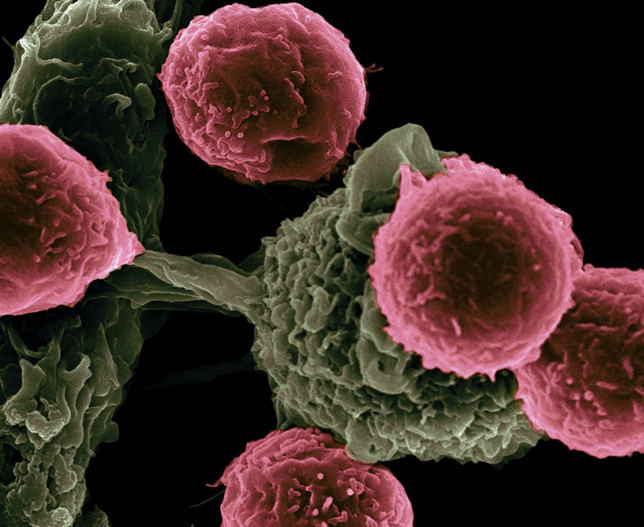 T Cells Reacting To Antigen. Source: Texas Center For NanoMedicine
The trace amount of peanut protein present in the patch will not invoke an immune response. The level of peanut protein can slowly be increased to continue to reduce the level of immune system response from the body. The peanut allergy skin patch is not a cure for peanut allergy, but will help protect children from accidental peanut exposure.
The next target for this medical treatment is adults. Using a peanut allergy skin patch on adult patients presents its own set of unique challenges.
Similar treatment for adults
One of the major hurdles for this technology is getting the drug to penetrate the epidermis in adults. The epidermis is extremely thin at the beginning of our life, which makes the peanut allergy skin patch perfect for young children. As people age, the epidermis thickness changes. There are a number of factors, from sun damage to lifestyle choice, that account for the thickness of the epidermis.
Getting the peanut protein to effectively penetrate the epidermis has proven to be more difficult in adults. Additionally, the adult immune system is more mature. The same level of peanut protein may not be able to train the immune system in the way that a child’s immune system can be trained.
It remains to be seen if this immunotherapy treatment will become an effective treatment for adults. The research community will continue to look into this allergy treatment as a powerful method to reduce peanut-based allergic reactions. If successful, hundreds of deaths per year can be easily prevented from the use of a simple skin patch.