Injectable biomaterial promotes complete wound healing
Marie Donlon | July 17, 2026An injectable hydrogel derived from silk proteins along with a plant-derived compound for wound closure applications has been developed by a team of researchers at the Terasaki Institute for Biomedical Innovation.
During lab tests, the material encouraged complete wound closure in just 72 hours, thereby paving the way for a new approach for minimally invasive soft tissue repair.
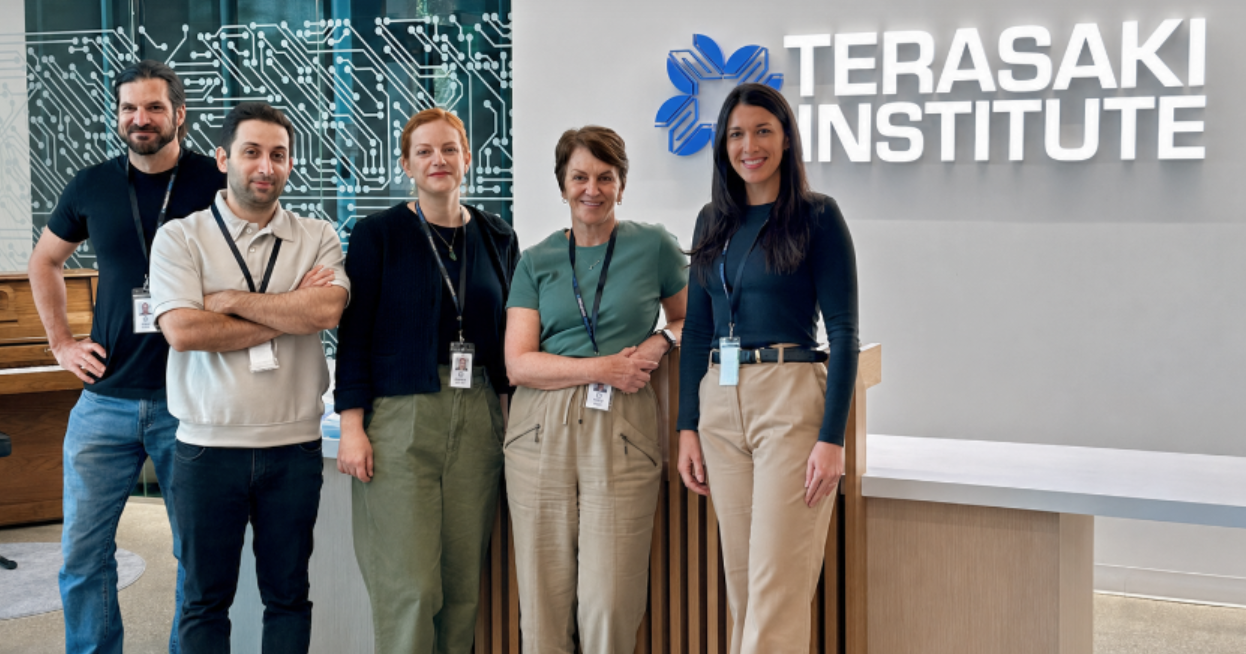 Source: Terasaki Institute
According to its developers, the new material marries two naturally occurring substances. The first is silk fibroin (SF), which is a protein derived from silkworm cocoons that is reportedly well-tolerated by the body. The second material is puerarin (PUE), a bioactive compound derived from the root of the kudzu plant which features both anti-inflammatory and antioxidant properties.
In the lab, the team trialed five formulations that contain increasing amounts of puerarin — ranging from 1% to 5% — mixed with a fixed concentration of silk fibroin. The team discovered that puerarin strengthened the hydrogel network via hydrogen bonding, which is a type of physical attraction that occurs between molecules. The team determined that this approach did not alter the underlying protein structure of silk fibroin.
Instead, higher concentrations of puerarin resulted in denser internal networks and increased mechanical stability. Additionally, the team found that the material could also flow through a fine 27-gauge needle under pressure and then subsequently recover its gel-like structure once it is injected.
Also in the lab, human skin cells that were exposed to the hydrogels achieved cell viability above 95% from the first day. Additionally, cells cultured with the material achieved complete wound closure within 72 hours across all of the formulations tested. The highest puerarin concentration achieved roughly 60% wound closure within the first 24 hours alone and no indications of toxicity were discovered in any tested formulation.
“What excited us most was seeing complete wound closure in all formulations by 72 hours. That result, combined with the material’s ability to be injected through a fine needle, suggests real clinical relevance for soft tissue applications,” the team explained. “Injectable biomaterials that can be delivered through a small needle and still support tissue repair have the potential to reduce the burden of invasive procedures for patients. This work brings us a step closer to that goal.”
An article detailing the technology, “Injectable Silk Fibroin–Puerarin Hydrogels with Tunable Supramolecular Organization as a Potential Platform for Tissue Engineering,” appears in the journal ACS Omega.