Researchers developing WMD-exposure detector for DARPA
Marie Donlon | July 23, 2019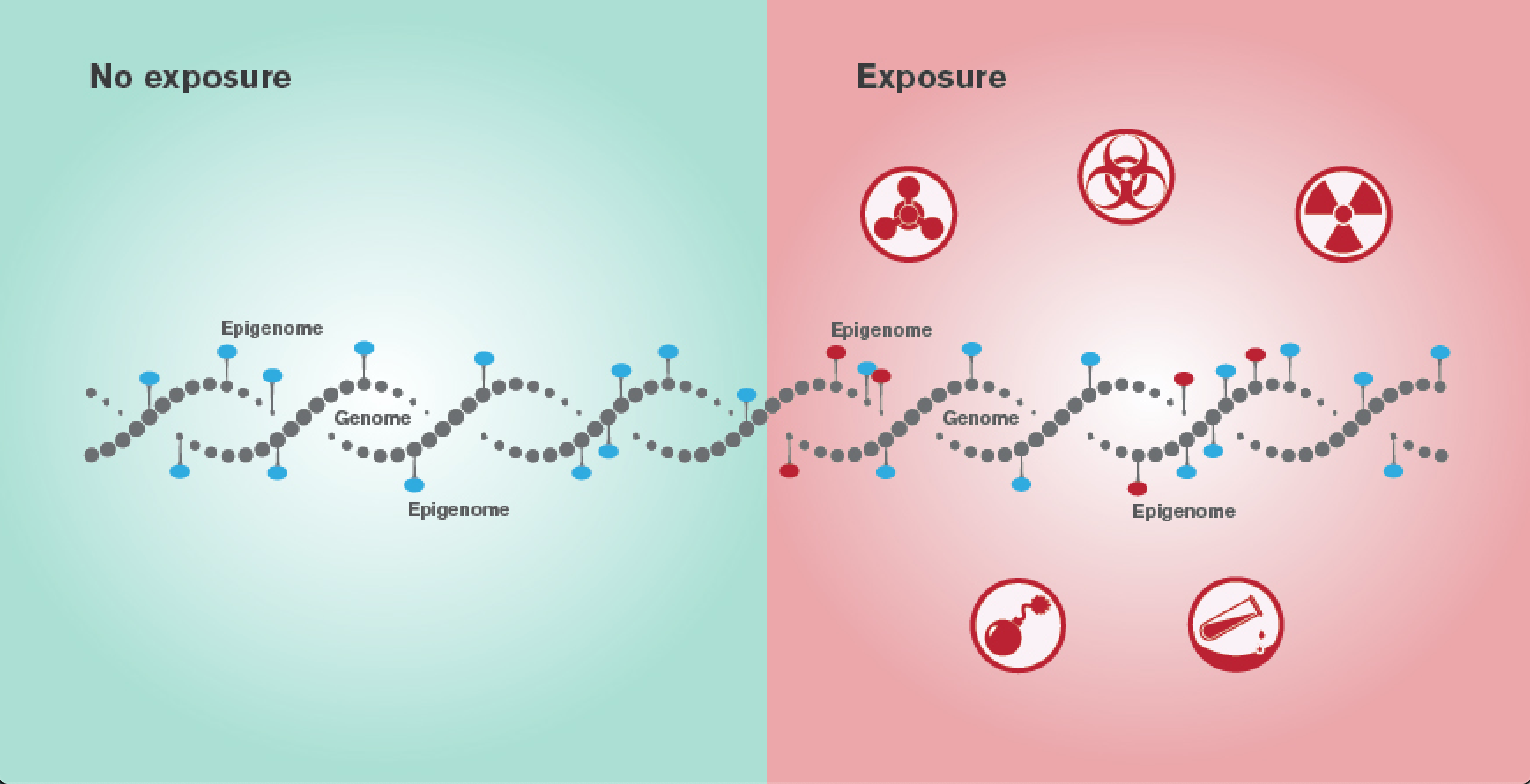 Source: ASUArizona State University (ASU) researchers are developing a deployable device that determines if someone has been exposed to weapons of mass destruction (WMDs) or their precursors, according to a report from ASU.
The Defense Advanced Research Projects Agency (DARPA) has awarded ASU $9.1 million to begin work on the device, which will identify WMD-related chemicals within 30 minutes or less through a single drop of the subject's blood to reveal a epigenetic “fingerprint.” That fingerprint will indicate if the subject has been exposed to materials and chemicals associated with the manufacture of WMDs. The device will ideally detect a wide swath of substances, such as biological agents, chemicals, explosives and radiation.
The project, called Diagnostic Epigenetics of Infectious Agents and Chemical Toxicity, is being done in support of DARPA's Epigenetic Characterization and Observation, or ECHO, program. ECHO aims to identify markers generated by exposure to threat agents and to develop technology to uncover the exact type and time of exposure, according to ASU.
“ECHO technology could open up new sources of forensic evidence and make battlefield collection of evidence safer, more efficient and more accurate,” Eric Van Gieson, ECHO program manager, said in DARPA’s original announcement. “Additionally, by making it possible to deploy an analytical capability to vastly more locations, we would enhance our ability to conduct global, near-real-time surveillance of emerging threats.”
Researchers suggest that the device could have applications beyond detecting WMD exposure, including as a non-invasive diagnostic test for chronic illnesses such as cancer, diabetes and heart disease, added ASU co-principal investigator Vel Murugan.