Using Artificial Intelligence to Identify Sexual Orientation
Marie Donlon | September 11, 2017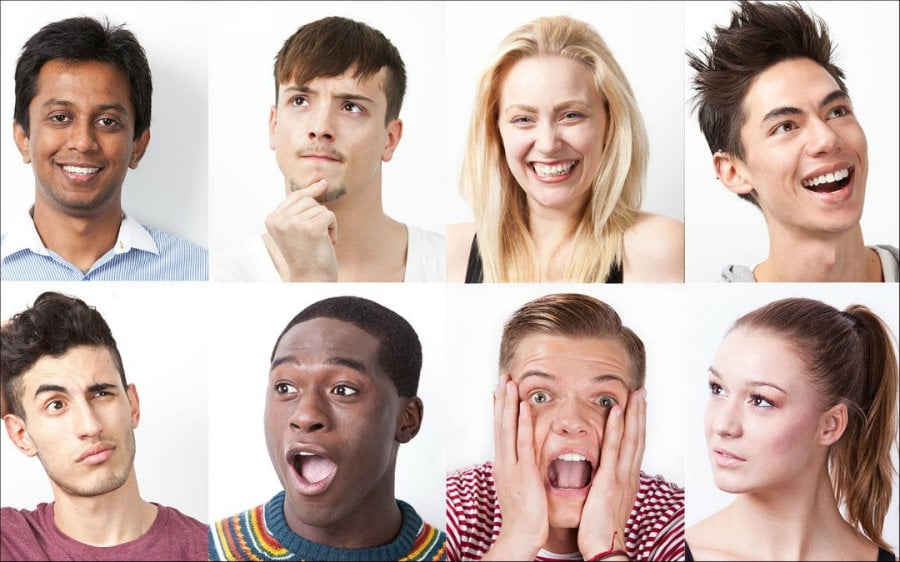 Artificial intelligence can tell if a person is gay or straight based on their facial features. Source: Moodboard/Alamy/Aljazeera AmericaUsing artificial intelligence (AI), we can do just about anything from solving crimes to making predictions about a person’s behavior. Now, researchers from Stanford University believe that by using a computer algorithm, they can determine the sexual orientation of a person based entirely on their facial features.
Analyzing thousands of facial images of both men and women posted on public dating sites, the researchers used the algorithm to identify gay men with a 91 percent degree of accuracy and gay women with an 83 percent degree of accuracy (compared with humans who correctly identified gay men with a 61 percent degree of accuracy and gay women with a 54 percent degree of accuracy).
“Faces contain much more information about sexual orientation than can be perceived and interpreted by the human brain,” the authors wrote.
Researchers Michal Kosinski and Yilun Wang from the University of Stanford believe that their research is significant because suggesting that gay people have specific facial features (i.e., the researchers believe that gay men typically have narrow jaws while gay women have smaller foreheads), the research is tied to genetics and hormones and thus furthers the argument that sexual orientation is not a choice.
However, there are those that believe the implications of this research can be as dangerous as they are informative.
“It’s certainly unsettling. Like any new tool, if it gets into the wrong hands, it can be used for ill purposes,” said Nick Rule, an associate professor of psychology at the University of Toronto, who has published research on the topic of sexual orientation. “If you can start profiling people based on their appearance, then identifying them and doing horrible things to them, that’s really bad.”
The study is published in the Journal of Personality and Social Psychology.