Detecting Diabetic Retinopathy with AI
Marie Donlon | April 28, 2017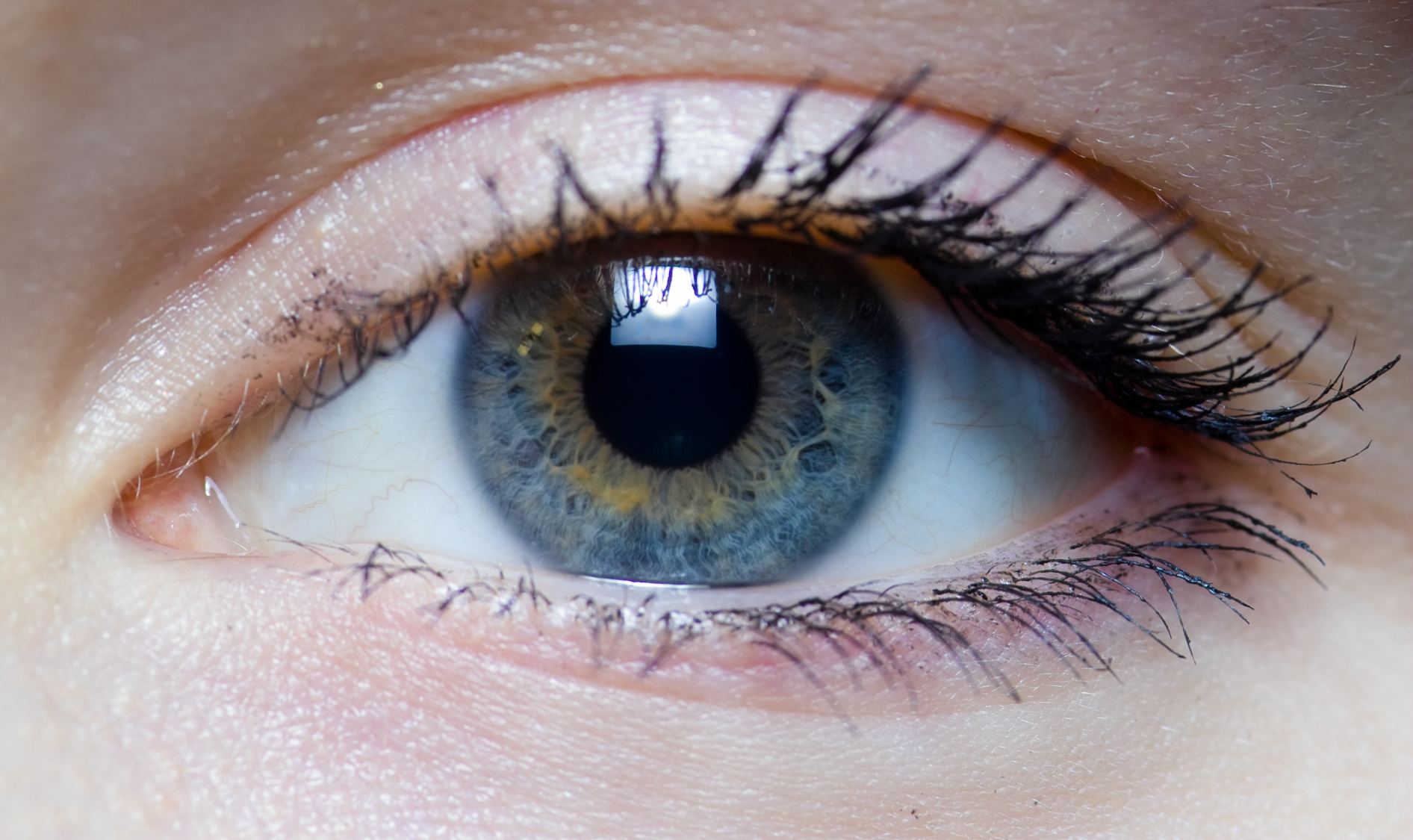 Laitr Keiows / CC BY-SA 3.0Affecting 415 million people worldwide, around 45 percent of diabetics may develop diabetic retinopathy (damage to the blood vessels at the back of the eye) at some point in their lives with a large number of that 45 percent less likely to detect the disease before it results in vision loss.
In an effort to make the time-consuming and expensive process of diagnosing diabetic retinopathy less costly and more accessible, Dr. Theodore Leng of the Byers Eye Institute of Stanford University and a group of researchers have published their findings on the application of deep-learning (teaching computers to do what our brains naturally do) methods to create an automated algorithm capable of detecting the diabetic byproduct.
“What we showed is that an artificial intelligence-based grading algorithm can be used to identify, with high reliability, which patients should be referred to an ophthalmologist for further evaluation and treatment,” said Dr. Leng. “If properly implemented on a worldwide basis, this algorithm has the potential to reduce the workload on doctors and increase the efficiency of limited healthcare resources. We hope that this technology will have the greatest impact in parts of the world where ophthalmologists are in short supply."
Dr. Leng and his team taught the computer to distinguish between healthy and unhealthy patients in addition to what stage of the disease (if so afflicted) that the patient was in based on 75,000 images of patients from all walks of life. The algorithim identified sufferers of diabetic retinopathy and the stage the disease was in with 94 percent accuracy.
Once Dr. Leng and his team conduct pilot trials and the algorithm receives FDA approval, the algorithm may be run on personal computers or smartphones, making detection that much easier and likely helping to prevent preventable blindness.
Dr. Leng's work is published in Ophthalmology, the journal of the American Academy of Ophthalmology.