This lollipop has a sensor hidden inside
Marie Donlon | October 27, 2026A lollipop-like device that reveals medication levels in a subject’s saliva has been developed by a team of researchers from the University of Southern California.
According to its developers, the device, called Lollylab, uses a sensor to measure acetaminophen levels in saliva collected on the lollipop’s stem. Although the device could prove valuable for all patients, it was designed with children in mind.
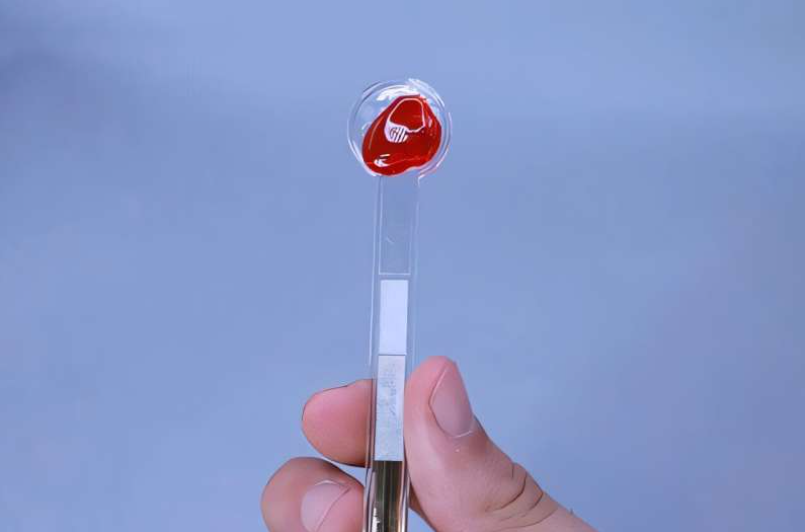 Source: Adapted from ACS Sensors 2026, DOI: 10.1021/acssensors.6c00691
In the lab, the team tested a peach-flavored prototype on six people before and one hour after each took a dose of acetaminophen (650 mg). The device detected the drug in their saliva in under two minutes, with the subjects calling the process easier and more comfortable than traditional swabbing.
The team specifically looked at acetaminophen — which is found in over-the-counter products like pain relievers and cold and flu medications — because taking more than the recommended dosage can potentially result in serious side effects, such as liver damage.
Inspired by CandyCollect, which is a lollipop-shaped saliva sampling device that replaces throat swabs but requires off-site analysis, the Lollylab team developed a more advanced version that integrates a miniature laboratory into the lollipop itself.
Lollylab consists of two plastic pieces that snap together, with openings at the top that allow saliva to enter the device. The top is coated in a red, peach-flavored edible candy shell, giving the prototype the appearance of a lollipop.
When placed in the mouth, Lollylab draws saliva through a stem lined with glass fiber paper to a graphene sensor at its base. The sensor measures changes in electrical current to detect acetaminophen. Tests showed that the prototype could detect the drug in both artificial and human saliva. Because saliva acetaminophen levels closely correlate with blood concentrations, the measurement could provide an alternative to blood testing, the researchers suggested.
An article detailing the device, “Lollylab: A Lollipop-Inspired Device for Saliva Collection and Detection of Acetaminophen Toxicity in Pediatric Patients,” appears in the journal ACS Sensors.