Revolutionize heating solutions with flexible heaters
October 22, 2026Polyester (PET) heaters
PET heating elements are translucent elements that can be applied with double-sided adhesive backing and are as flexible as polyimide heating elements. They are the most economical and flexible heating elements and provide remarkable flexibility, rapid heating capabilities and unmatched efficiency.
■ Temperature range: -25° C to 120° C (-13° F to 248° F)
■ Waterproof
■ Can be wound and bent
Safe and cost-effective
These elements are designed with features like overheat protection and durability against extreme conditions. Their durability and energy efficiency contribute to cost savings over time. They save energy due to their rapid heating and cooling capabilities, resulting in lower operational costs.
Uniform heating
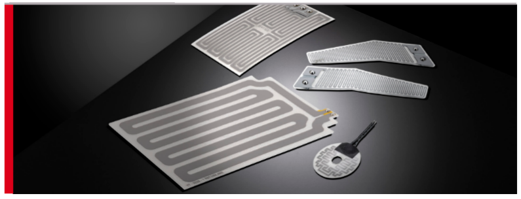 Figure 1: PET heating elements are highly flexible. Source: Pelonis Technologies
PET heating elements are highly flexible, allowing them to conform to various shapes and surfaces. This flexibility makes them ideal for applications where traditional rigid heating elements are impractical. These heating elements also provide even and consistent heating across their entire surface, ensuring precise temperature control.
Low thermal inertia and chemical resistance
PET heating elements heat up quickly and cool down rapidly, reducing energy consumption and improving efficiency. They are resistant to a wide range of chemicals, making them suitable for use in harsh environments.
Long life expectancy
These heating elements have a long operational life, reducing the need for frequent replacements.
Customizable
They can be customized in terms of size, shape and wattage to meet specific heating requirements.
PET heating elements can be used in automotive applications for defrosting and de-icing, medical devices including for patient warming and fluid heating, food processing for temperature control and curing processes, and industrial equipment for process heating and temperature maintenance.
Silicone rubber heaters
Silicone rubber heating elements are engineered to deliver uniform heat distribution, rapid heating and exceptional durability. They can be customized for complex shapes to provide consistent warmth for industrial processes, or reliable temperature maintenance for critical applications. The silicone rubber heating elements heat up rapidly with an even temperature and can be applied with an adhesive backing. They are primarily composed of super conductive heating alloy sheets and high temperature silicone rubber insulation cloth.
■ Temperature range: -200° C to 300° C (-328° F to 572° F)
■ Acid resistance
■ Waterproof, insulating and oil environment resistant
Safe and cost-effective
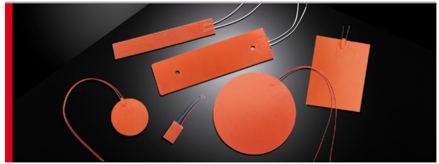 Figure 2: Designed with safety in mind, they often include features like overheat protection and resistance to electrical hazards. Source: Pelonis Technologies
Designed with safety in mind, they often include features like overheat protection and resistance to electrical hazards. Their rapid heating and uniform heat distribution contribute to energy savings by reducing heat loss and operational costs.
Uniform heating
Silicone rubber heaters are highly flexible and can conform to a wide range of shapes, making them suitable for irregular surfaces and complex geometries. These heaters provide even and consistent heating across their entire surface, ensuring precise temperature control.
Rapid and precision heating
Silicone rubber heaters heat up quickly, reducing startup times and improving operational efficiency. They offer precise temperature control, ensuring that critical processes are maintained within specified parameters.
Long life expectancy
Silicone rubber heaters are robust and can withstand harsh environments, including exposure to chemicals, moisture and mechanical stress and have a long operational lifespan, reducing the need for frequent replacements.
Customizable
They can be tailored to specific sizes, shapes and wattages to meet unique heating requirements.
Silicone rubber heaters can be used in the medical industry for patient warming and diagnostic equipment; in the automotive industry for de-icing and cabin heating; and in the food processing industry for temperature control during cooking and curing processes. Additional applications include automotive mold heating and engine preheating, and process heating and equipment maintenance.
Mica heaters
Mica heating elements are crafted from mica sheets, a naturally occurring mineral known for its excellent electrical and thermal insulation properties. They are designed to provide rapid, uniform and reliable heating. The ultra-thin film heating pad is constructed to have a high tensile strength and withstand high temperatures. It is in compliance with insulation testing of a high voltage resistance and can be integrated with a metal mold. With their high heating efficiency, mica heating elements replace conventional heating elements and heating pipes.
■ Temperature range: -200° C to 1,000° C (-328° F to 1,832° F)
■ Suitable for high-temperature applications in electrical appliances and industrial equipment
Safe operation
These heaters are designed with safety in mind and often include features like overheat protection to prevent damage.
High thermal efficiency
Mica heating elements are renowned for their exceptional thermal efficiency. They convert electrical energy into heat with minimal losses, ensuring that energy is used effectively and reducing operational costs.
Uniform heating
Mica heaters are flexible and can be easily formed into various shapes and sizes, making them ideal for applications with curved or irregular surfaces. They have excellent heat transfer properties that result in even heat distribution across the entire surface of the heating element. This uniformity ensures consistent and precise temperature control.
Rapid and precision heating
These elements heat up quickly, reaching the desired temperature in a short amount of time. This rapid heating is crucial in applications where quick response times are essential. The uniform heat distribution ensures precise temperature control, making them suitable for applications where maintaining specific temperatures is critical.
Chemical and moisture resistance
Mica is inherently resistant to moisture and many chemicals, making mica heating elements suitable for use in demanding environments where exposure to harsh substances is a concern.
Long life expectancy
Mica heaters are robust and have a long operational life, reducing the need for frequent replacements.
Easy installation
Their flexibility and customizability simplify the installation process, reducing downtime and installation costs.
Customizable
They can be tailored to specific wattages, voltages and shapes to meet the unique heating requirements.
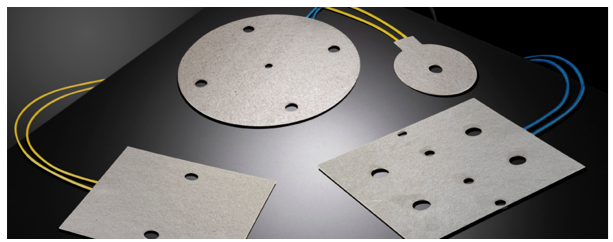 Figure 3: They can be tailored to specific wattages, voltages and shapes. Source: Pelonis Technologies
Transparent film heaters
Transparent film heating elements consist of a thin, flexible and optically clear film that can be applied to transparent or translucent surfaces. With the construction of an ultra-thin film heating element, the transparent film heating element will not affect any sight line with high performance or common double-sided adhesive backing stuck onto both sides.
■ Temperature range: -25° C to 120° C (-13° F to 248° F)
■ Heats up quickly and evenly
■ Visible light transmittance of up to 85%
■ No harmful effects from glare
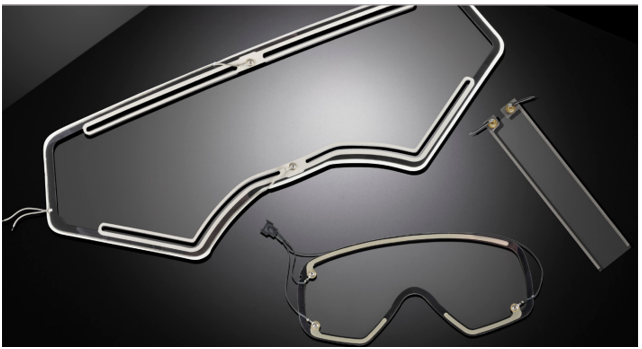 Figure 4: The defining feature of transparent film heating elements is their ability to maintain transparency even when activated. Source: Pelonis Technologies
Safe and energy-efficient
These elements are designed to meet safety standards and often include features like temperature sensors and overheat protection. They offer energy-efficient heating, minimizing heat loss and reducing operational costs.
Transparency
The defining feature of transparent film heating elements is their ability to maintain transparency even when activated. This property makes them ideal for applications where both heating and visibility are required, such as automotive windows, display screens and architectural glass.
Uniform heating
Transparent film heating elements are highly flexible, allowing them to conform to curved or irregular surfaces without compromising their heating efficiency and provide even and consistent heating across their surface, ensuring that the entire area is heated uniformly.
Rapid heating
They are known for their quick heating response, reducing the time required to achieve the desired temperature.
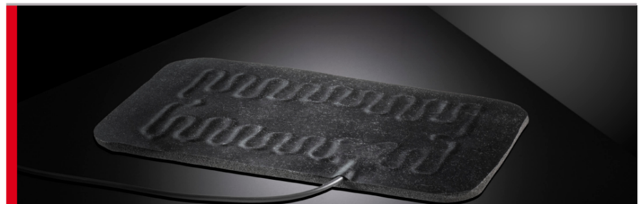 Figure 5: Fabric heaters find applications in clothing, outdoor gear, medical devices, automotive interiors and numerous other fields. Source: Pelonis Technologies
Durability
These elements are designed to withstand environmental factors such as moisture, UV exposure and temperature fluctuations, ensuring a long operational life.
Easy installation
Their flexibility and thin profile make them easy to install without adding significant weight or altering the appearance of the surfaces they are applied to.
Customizable
These heating elements can be customized in terms of size, shape and wattage to suit specific heating requirements, making them adaptable to various applications. Transparent film heaters offer a unique combination of transparency and efficient heating, making them ideal for applications where visibility, energy efficiency and customization are paramount.
Fabric heaters
Fabric heaters can be integrated directly into fabrics, textiles or flexible materials to provide warmth, comfort and functionality while being lightweight, flexible and customizable. Fabric heaters find applications in clothing, outdoor gear, medical devices, automotive interiors and numerous other fields.
Safe and energy-efficient
Fabric heaters can incorporate temperature sensors and overheat protection and are designed for energy efficiency, minimizing power consumption and operational costs and extending battery life in battery-powered applications.
Moisture resistant
Some fabric heaters are water-resistant or moisture-wicking, making them suitable for outdoor and wet environments.
Portable and lightweight
They add minimal weight and maintain warmth and comfort without sacrificing mobility or convenience.
Uniform heating
Fabric heaters are highly flexible, allowing them to conform to various shapes and contours, making them suitable for apparel, medical wraps and other products requiring flexibility. These heating elements offer even and consistent heating across the fabric surface, ensuring uniform warmth and comfort.
Rapid heating
They heat up quickly, providing instant warmth and comfort to users.
Durability
These heaters are often engineered to withstand repeated bending, washing and exposure to environmental factors, ensuring a long lifespan.
Customizable
They can be tailored to specific sizes, shapes and wattages to meet the unique heating requirements of different applications. Fabric heaters are a versatile and innovative heating solution that combines comfort, flexibility and energy efficiency. Their ability to be seamlessly integrated into various products has led to widespread adoption in multiple industries, enhancing user comfort and functionality in a wide range of applications. They are well suited for applications including apparel (heated jackets, gloves), medical (warming blankets, heated wraps), automotive (heated seats) and outdoor gear (heated tents, sleeping bags).
 For additional information or for assistance with an application, contact Pelonis Technologies at sales@pelonistech.com.