A sweet new strategy for healing chronic wounds
Marie Donlon | October 27, 2026Researchers from Flinders University have suggested that vanillin, which is the primary chemical component extracted from natural vanilla pods, has shown promise in wound-healing applications thanks to distinct antioxidant, anti-inflammatory and antibacterial properties.
Best known as a common food additive, vanillin also offers chemical stability, an established safety profile and the ability to act as a dynamic crosslinker in material design, making its synthetic form a promising candidate for biomedical applications. The research could offer new approaches to treating chronic wounds, including diabetic foot ulcers and nonhealing surgical wounds, which are vulnerable to infection and inflammation and can be costly to manage.
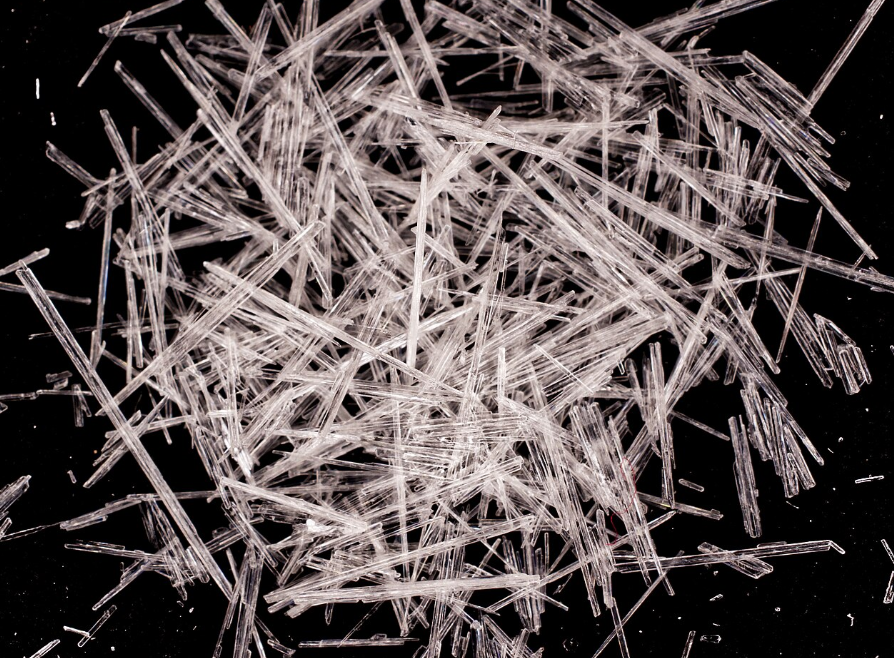 Source: Doyale/CC BY-SA 4.0
The team reviewed roughly two decades of research on wound care using vanillin. Several of those studies found that dressings made with vanillin closed 94% to 96% of wound area within two to three weeks, thus outperforming traditional dressings.
The researchers identified vanillin as a potential multifunctional ingredient in ulcer treatments and targeted drug-delivery systems, particularly those designed to carry hydrophobic compounds. Its amphiphilic molecular structure enables interactions with reactive oxygen species, cellular membranes and polymer matrices, making it a potential candidate for a range of functional biomedical formulations.
An article detailing the team’s findings, “Vanillin as a bioactive component in biomedical formulations for chronic wound healing and tissue regeneration,” appears in the International Journal of Pharmaceutics.