Strategic IT/OT convergence for a secure digital future
September 12, 2025Today, digitalization is not just an option, it is a fundamental necessity for survival and growth. Every company, regardless of its size or sector, stands to benefit immensely from embracing digital transformation. From optimizing production lines and enhancing operational efficiency to fostering innovation and unlocking new business models, the advantages are profound. However, this transformative journey is far from straightforward. It demands a sophisticated understanding of complex interconnected systems, particularly the intricate relationship between information technology (IT) and operational technology (OT) networks. True digitalization relies on the seamless, secure and intelligent convergence of these two distinct yet interdependent worlds.
Industry has historically relied on two separate, specialized networks: the office IT network and the industrial OT network. The IT network, the backbone of modern business operations, manages data, facilitates communications like email and voice over IP (VoIP), enables video conferencing and supports Enterprise Resource Planning (ERP) systems. It's the realm of data management, user experience and corporate connectivity.
In contrast, the OT network is the lifeblood of production, automation and physical processes, controlling machines, plants and critical infrastructure. It's where raw materials are transformed, products are manufactured and essential services are delivered. For successful digitalization to truly take hold and yield its promised benefits, these two networks must not only coexist but actively connect, communicate and collaborate.
The challenge lies in their inherent differences and priorities, especially when it comes to cybersecurity. While both networks increasingly leverage Ethernet as a foundational technology, their operational philosophies and risk appetites diverge significantly. Understanding these distinctions is paramount to building a robust and secure converged environment.
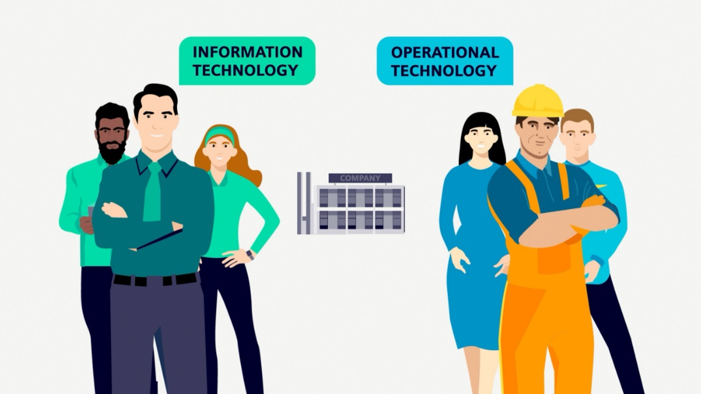 Figure 1: Every company, regardless of its size or sector, stands to benefit immensely from embracing digital transformation. Source: Siemens Digital Industries Software
The distinct worlds: IT versus OT priorities
The core difference between IT and OT priorities can be encapsulated by their respective emphasis on the pillars of cybersecurity: Confidentiality, integrity and availability (CIA).
From an IT perspective, confidentiality is of utmost importance, followed by integrity and availability. This means protecting sensitive data from unauthorized access is the primary concern. Breaches of confidentiality can lead to severe reputational damage, regulatory penalties and significant financial losses. Integrity, ensuring data is accurate and unaltered, comes next, followed by availability, ensuring systems and data are accessible when needed. IT environments prioritize data authenticity, a smooth user experience for office applications, reliable transmission of audio and video communications, and the resilience of climate-controlled data centers. Cybersecurity in IT focuses heavily on preventing data theft, phishing attacks and maintaining the integrity of business information systems.
In OT, on the other hand, availability comes first, with integrity and confidentiality taking second place. This shift in priority is driven by the real-world consequences of operational disruption. A momentary loss of availability in an OT system can lead to catastrophic outcomes: halted production lines, equipment damage, safety hazards for personnel, environmental incidents or even widespread infrastructure failures. Integrity, guaranteeing the accuracy and reliability of control signals and process data, is also critical to prevent physical damage or unsafe conditions. Confidentiality, while still important, often takes a backseat to the immediate need for operational uptime and safety. OT environments focus on long-term availability of machinery, the integrity of process data, the precise timing of critical applications and safe operation in often harsh, demanding industrial environments.
This divergence in priorities dictates vastly different approaches to system design, maintenance and, crucially, cybersecurity.
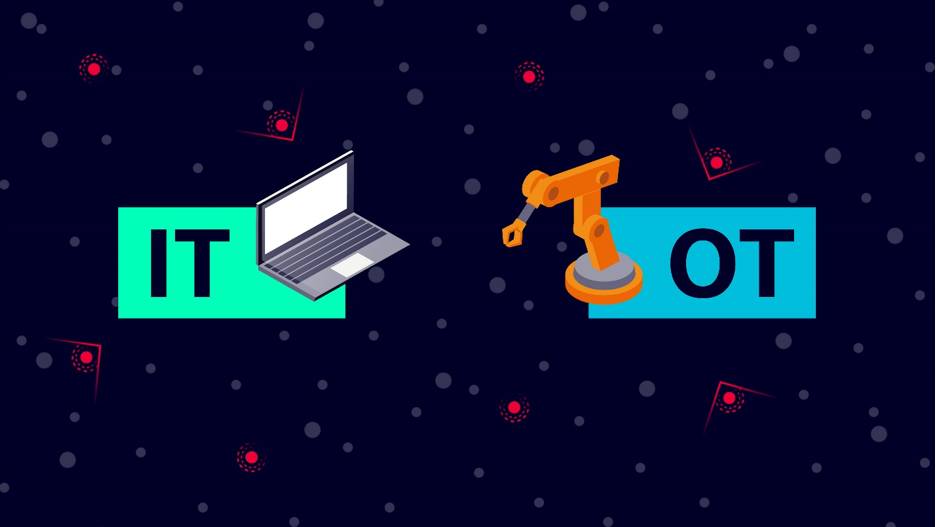 Figure 2: The core difference between IT and OT priorities can be encapsulated by their respective emphasis on the pillars of cybersecurity: Confidentiality, integrity and availability (CIA). Source: Siemens Digital Industries Software
Why convergence is the digitalization imperative
Despite these differences, the strategic imperative to connect IT and OT networks is undeniable. This convergence enables many transformative benefits:
· Enhanced data visibility and data-driven decisions: By integrating data streams from both operational processes and business systems, companies gain a real-time view of their entire value chain. This enables advanced analytics, predictive maintenance, optimized resource allocation and a deeper understanding of operational performance. This comprehensive insight empowers truly data-driven decisions, moving from reactive problem-solving to proactive optimization.
· Optimized operations and efficiency: Convergence facilitates smarter automation, remote monitoring and precise control. It allows for dynamic adjustments to production schedules based on real-time market demand, supply chain fluctuations or equipment performance, leading to significant cost savings, reduced waste and increased throughput. This flexibility is key to responding to changing market conditions and improving sustainability.
· New business models and services: The rich, integrated data generated by converged networks can be leveraged to create innovative new services, such as equipment-as-a-service, performance-based contracts, or highly customized product offerings. This opens new revenue streams and competitive advantages.
· Increased resilience and agility: By monitoring systems end-to-end, potential issues can be identified and addressed proactively, minimizing downtime and ensuring business continuity. The agility gained allows for faster adaptation to market shifts and technological advancements.
· Digital twin integration: The convergence of IT and OT data is essential for creating and leveraging comprehensive digital twins. These virtual replicas of physical assets, processes or systems allow for advanced simulation, testing and optimization in a risk-free environment, leading to faster commissioning, improved performance and reduced operational costs.
 Figure 3: The convergence of IT and OT data is essential for creating and leveraging comprehensive digital twins. Source: Siemens Digital Industries Software
Navigating the convergence journey: A strategic blueprint
Successfully connecting IT and OT networks and fulfilling their unique, often conflicting, requirements demands a detailed, structured and guided approach. This journey is about creating a secure, intelligent and future-proof industrial ecosystem.
1. Detailed inventory and assessment: Catalog all connected devices, software, protocols and data flows in both IT and OT to identify critical assets, vulnerabilities and existing controls to form the baseline for any convergence strategy.
2. Compliance with industry-specific regulations and standards: Incorporate industry-specific regulations and standards to ensure legal compliance, operational safety and recognized best practices.
3. Clear definition and secure transition zones: Define and secure the boundary between OT and IT (the "core layer" or IDMZ). A firewall between IT and OT is essential, inspecting all traffic to maintain security and integrity and prevent threat propagation.
4. Industrial communication infrastructure: Build a robust, reliable foundation with technologies like industrial Ethernet, PROFINET and 5G for high bandwidth, low latency and reliability in OT applications. This infrastructure ensures the flow of data from sensors and machines to higher-level IT systems, enabling real-time control and monitoring.
5. Industrial Edge computing: Process data closer to the source using Edge devices to reduce latency, enable real-time analytics and facilitate immediate decision-making. This distributed intelligence bridges the gap between OT and IT.
6. Architectural design for resilience and scalability: Design networks with inherent resilience and redundancy, considering topology, bandwidth, latency and segmentation for future growth and technological advancements.
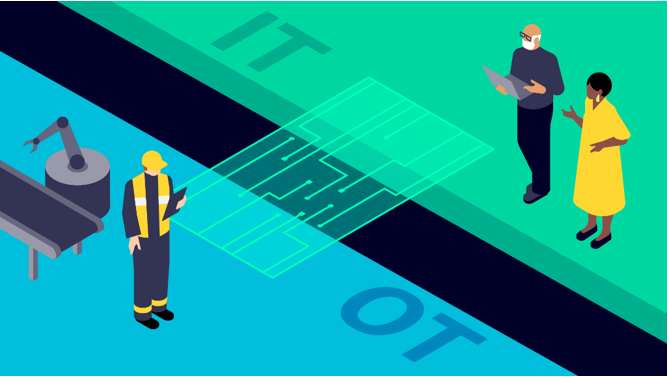 Figure 4: The differing priorities of IT and OT create unique cybersecurity challenges that demand a tailored, holistic approach. Source: Siemens Digital Industries Software
Cybersecurity at the crossroads: Tailoring protection for the converged enterprise
The differing priorities of IT and OT create unique cybersecurity challenges that demand a tailored, holistic approach.
· Threat landscape: While IT faces threats like data breaches, ransomware and corporate espionage, OT faces threats that can lead to physical damage, environmental disasters, safety incidents and widespread operational disruption.
· Vulnerability management: Patching cycles in IT are often frequent and automated. In OT, patching can be complex due to the need for continuous operation, reliance on legacy systems, vendor-specific requirements and the potential for disrupting critical processes.
· Device lifespan: IT equipment typically has a lifespan of three to five years. OT equipment, designed for harsh industrial environments, can operate for 10 to 20 years or more, meaning security vulnerabilities in older hardware and software persist for much longer and require specialized mitigation strategies.
· Protocols and communication: While Ethernet is common, the application-level protocols differ significantly. Security solutions must understand and inspect these diverse protocols.
· Authentication and access control: Traditional IT security relies heavily on user authentication and access rights. In OT, access control often relies on physical security rather than digital credentials, making modern identity and access management solutions crucial for industrial contexts.
Siemens Industrial Operations X: A strategic solution in IT/OT convergence
Because no two networks are the same, and the journey to IT/OT convergence is unique for every organization, specialized expertise is indispensable. Navigating the complexities of legacy systems, diverse protocols, stringent regulations and evolving cyber threats requires a partner with deep experience across both industrial automation and enterprise IT.
Siemens is committed to empowering customers to achieve their digitalization goals through expert-led IT/OT convergence. They understand the nuances of connecting the shop floor to the top floor, enabling data to flow securely and intelligently across the entire enterprise. Siemens can bring users to the roundtable and support them there, offering a comprehensive approach, Industrial Operations X.
Industrial Operations X is a key solution within the Siemens Xcelerator portfolio, designed to unify engineering and operational data with IT systems. Industrial Operations X helps make the production process more adaptive, autonomous and people centric. This addresses rising industry challenges through a three-pillar framework.
1. Software-defined automation: Automation is shifting from hardware to software, applying IT development and management methods to operational technology.
2. Data and AI-driven production: Production processes are moving from hard-coded to data and AI-driven, enabling easy data access and leveraging analytics.
3. Industrial ecosystem: The industrial ecosystem is transitioning from single vendor to open, multi-vendor interoperability.
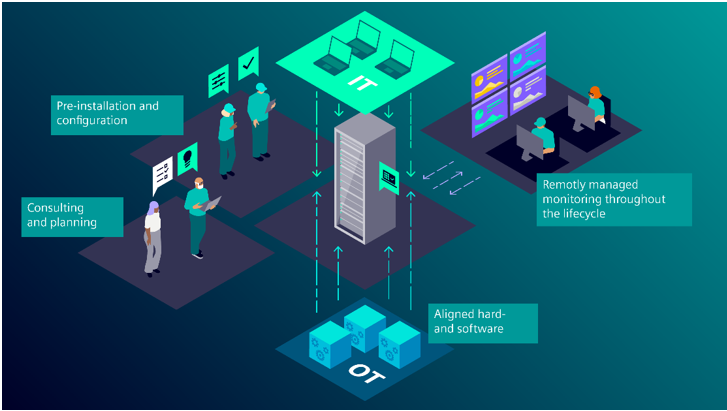 Figure 5: The convergence of IT and OT networks is the cornerstone of modern industrial digitalization, promising efficiencies, innovation and competitive advantage. Source: Siemens Digital Industries Software
Conclusion: Building the foundation for an intelligent industrial future
The convergence of IT and OT networks is the cornerstone of modern industrial digitalization, promising efficiencies, innovation and competitive advantage. This journey, while complex due to the inherent differences in operational priorities and cybersecurity requirements, is essential for any enterprise aiming for true industrial agility and resilience. The differing emphasis on confidentiality, integrity and availability between IT and OT makes an expert-driven approach to network design and cybersecurity necessities.
By inventorying assets, adhering to industry regulations, establishing secure transition zones with robust firewalls, leveraging advanced industrial communication and Edge computing technologies, and fostering unprecedented collaboration between IT and OT professionals, companies can unlock the full potential of their digital transformation. Partnering with experts like Siemens, who possess deep knowledge in both industrial operations and enterprise IT, is an advantage and a strategic imperative to ensure a seamless, high-performance and resilient converged network that secures operations, enables data-driven decisions and propels a business into an intelligent industrial future.