Cybersecurity solutions for the food and beverage industry
August 26, 2025The digital transformation challenge
In today's increasingly connected world, food and beverage manufacturers face a critical challenge: how to embrace digital transformation while protecting their operations from growing cybersecurity threats. As production lines become more automated and interconnected, the attack surface for potential cyber incidents expands dramatically.
Recent high-profile attacks on food and beverage companies have demonstrated the severe consequences of inadequate cybersecurity measures. Beyond financial losses and operational disruptions, these incidents can potentially impact food safety, consumer trust and brand reputation — assets that companies in this industry have spent decades building.
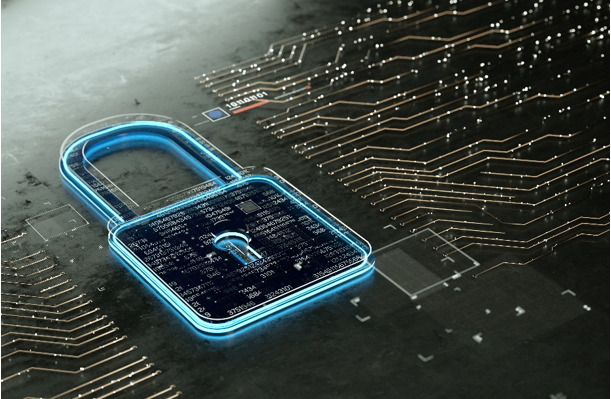 Figure 1: As production lines become more automated and interconnected, the attack surface for potential cyber incidents expands dramatically. Source: Siemens Digital Industries Software
Why food and beverage companies can't ignore cybersecurity
The food and beverage sector is classified as critical infrastructure in many countries where the IT Security Act requires operators to implement robust cybersecurity measures. This isn't just about regulatory compliance, it's about business continuity and consumer safety.
Consider some facts about cyberattacks:
· Cyberattacks can halt production lines for days or even weeks
· Recovery costs often reach millions of dollars
· Consumer trust, once damaged by a safety incident, can take years to rebuild
· Attackers range from opportunistic, untrained attackers to sophisticated state-sponsored actors
The threat landscape: Understanding the risks
Food and beverage manufacturers face numerous cybersecurity threats, including:
1. Unauthorized remote access: Poorly protected maintenance connections that provide external access to control systems
2. Office IT vulnerabilities: Connections between internet-facing office networks and industrial control systems
3. Exploitation of standard components: Vulnerabilities in operating systems and applications used in industrial environments
4. DDoS attacks: Network disruptions that can halt production
5. Human error and insider threats: Often the most overlooked yet dangerous vulnerability
6. Malware introduction: Often via removable storage devices or external contractors' equipment
7. Unprotected control commands: Plain-text protocols that can be intercepted and manipulated
Defense in depth: A comprehensive approach
Effective cybersecurity isn't achieved through a single solution or one-time implementation. It requires a continuous, multi-layered approach that addresses physical security, network protection and system integrity, what security experts call "defense in depth."
Layer 1: Plant security
Physical protection is the first line of defense. This includes:
· Secure access control to production areas
· Protection of critical components in locked cabinets
· Environmental safeguards against flooding, fire and other physical threats
· Special protection for remote facilities that may be unoccupied
Layer 2: Network security
Network architecture must balance accessibility, availability and protection:
· Network segmentation to isolate critical systems
· Properly configured firewalls to block unauthorized communication
· Secure remote access solutions for maintenance and support
· Redundancy to ensure continued operation if components fail
Layer 3: System integrity
Protecting the authenticity and integrity of systems includes:
· Secure programming access with proper authentication
· Password protection for different access levels on control systems
· Encrypted communication for data traveling outside secure cells
Hardened industrial PCs with user account restrictions, firewalls and antivirus protection
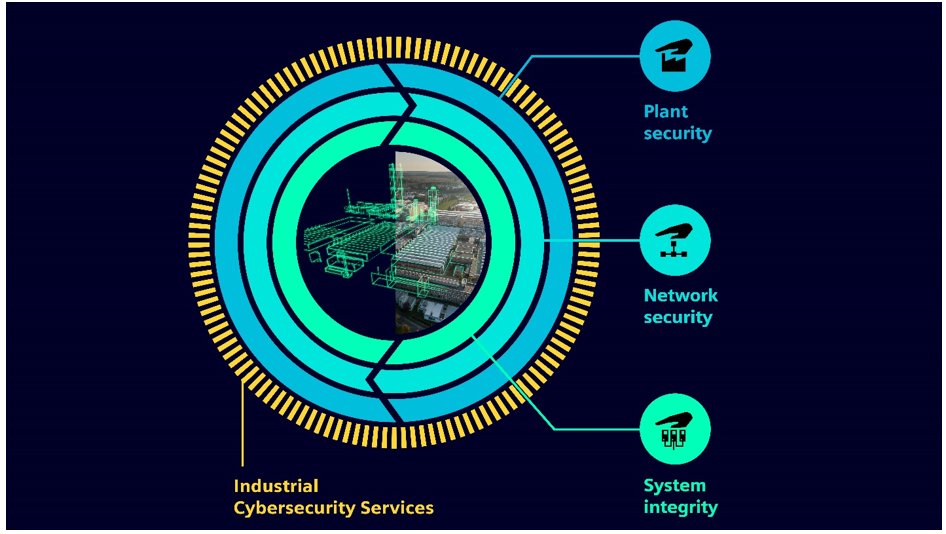 Figure 2: Even the most sophisticated technical measures can be undermined by human error. Source: Siemens Digital Industries Software
The human element: Strongest asset or weakest link
Even the most sophisticated technical measures can be undermined by human error. A comprehensive cybersecurity strategy must include:
· Regular training for all personnel on security awareness
· Clear definition of cybersecurity responsibilities
· Screening procedures for new employees and contractors
· Supervision of external personnel working on these systems
Emergency preparedness: When prevention isn't enough
Despite best efforts, security incidents can still occur. Business continuity planning must address:
· Maximum acceptable downtime for critical systems
· Backup procedures and redundancies
· Recovery processes to restore operations
· Post-incident analysis to prevent recurrence
Siemens: A partner in industrial cybersecurity
As a leader in both digitalization and industrial security, Siemens offers a comprehensive portfolio of cybersecurity solutions specifically designed for the food and beverage industry. This approach combines:
· Deep industry knowledge: Understanding the unique requirements of food and beverage production
· Industrial communication expertise: Securing the networks that keep operations running
· Certified security processes: The development processes meet IEC 62443-4 standards
· Continuous monitoring: Through services like ProductCERT, which identifies and addresses vulnerabilities
· End-to-end solutions: From plant security to system integrity
Network management with SINEMA and SNMP
Siemens' Network Manager (SINEMA) platform provides comprehensive visibility and control over industrial network infrastructure, essential for maintaining cybersecurity in food and beverage environments. SINEMA enables centralized monitoring and management of network components while supporting industry-standard simple network management protocol (SNMP) for efficient device monitoring. This combination allows for real-time detection of unauthorized devices, configuration changes or potential security breaches across the production network. With SINEMA's visualization and SNMP-based alerts, security teams can quickly identify vulnerabilities, implement network segmentation policies and ensure that only authorized communication occurs between critical production zones — significantly reducing the risk of lateral movement by attackers while maintaining the operational integrity essential to food and beverage production.
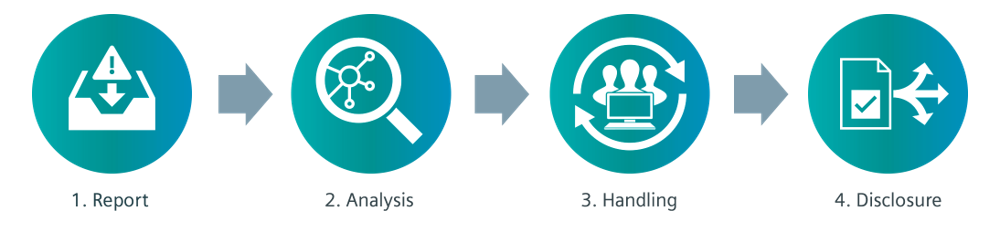 Figure 3: Siemens' SINEMA (Siemens Network Manager) platform provides comprehensive visibility and control over industrial network infrastructure. Source: Siemens Digital Industries Software
Taking the next step
Protecting operations from cyber threats doesn't have to mean slowing a digital transformation journey. With the right partner and approach, customers can embrace the benefits of digitalization while maintaining robust security.
With Siemens, learn how their cybersecurity solutions can help:
· Assess current security posture
· Develop a comprehensive security strategy
· Implement layered protection measures
· Train personnel on security best practices
· Monitor and continuously improve a company’s security stance
In today's connected world, cybersecurity isn't just an IT issue, it's a business imperative that directly impacts the bottom line, brand reputation and ability to deliver safe products to consumers.