
Plans for a nuclear fuel recycling pilot plant
S. Himmelstein | December 29, 2023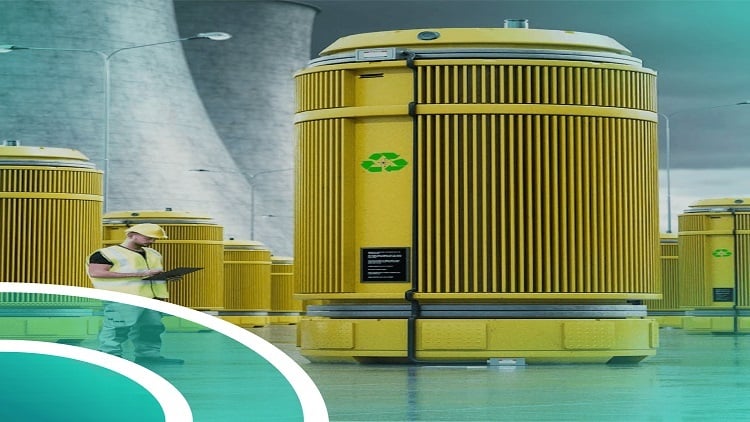 The company plans to advance the recycling and reuse of spent nuclear fuel. Source: SHINE Technologies
The initial focus of Wisconsin-based SHINE Technologies was on the production of medical isotopes, including molybdenum-99. In 2021, the company expanded its activities to promote the use of its fusion-based systems for more than isotope production, including the recycling of used fuel. The recent submission of a regulatory engagement plan to the U.S. Nuclear Regulatory Commission indicates SHINE Technologies plans to build, license and operate a used nuclear fuel recycling pilot facility.
The engagement plan outlines a venture to construct a 50,000-square-foot facility capable of recycling up to 200 metric tons/year of used nuclear fuel within the next decade. The intended fuel will have a burnup of less than 35 GW-days per metric ton of heavy metal that has been allowed to decay for 40 years after being discharged from the reactor.
Used fuel rods will be sheared using conventional methods to expose the fuel pellets. The pellets and hulls will then be subjected to a voloxidation process that converts the uranium dioxide into triuranium octoxide or uranium trioxide before being dissolved in nitric acid. This process converts the fuel pellets into a coarse powder form that dissolves more readily in nitric acid. An additional benefit is that it also releases many of the volatile fission products prior to dissolution, minimizing their contamination of downstream processes.
Reprocessing will rely on a modified plutonium uranium reduction extraction separation process called co-decontamination (CoDCon). A liquid-liquid treatment system, CoDCon will strengthen proliferation resistance by keeping a portion of separated uranium in combination with the plutonium.
An actinide-lanthanide separation process will be used to isolate the minor actinides for future transmutation, and additional separations will harvest valuable stable and radioactive elements for commercial sale. The remaining material can then be solidified and packaged as waste, either through vitrification or cementation depending on its level of radioactivity.
Great that someone is working on reprocessing. But I would like to know more about what this means: fusion-based systems for . . . isotope production