Study: Deserted oil wells are environmental time bombs in Canada
Marie Donlon | August 15, 2023Researchers from McGill University in Canada suggest deserted oil wells throughout parts of Canada — potentially numbering in the tens of thousands — that have never been plugged pose a significant environmental hazard.
The steel and concrete structures that sit inactive just below the surface will erode and break down over time and also emit methane, according to the researchers.
 Source: McGill University
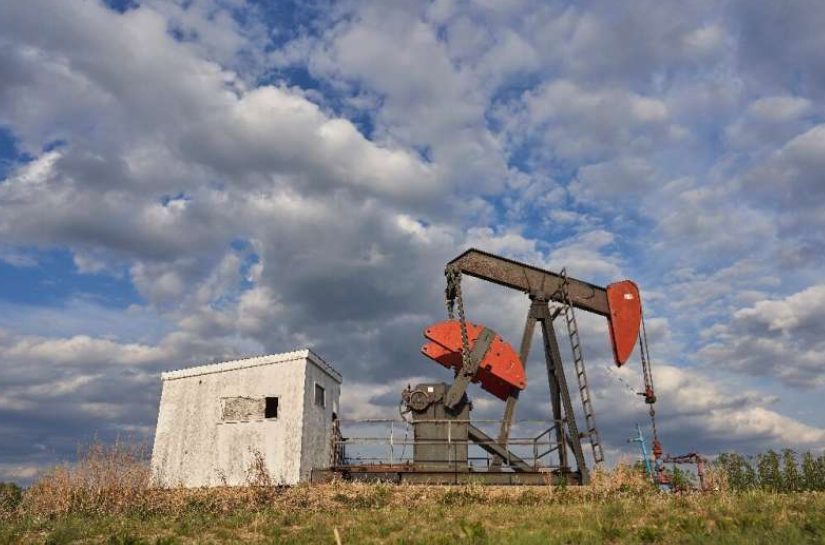
This underestimated source of pollution stems from the estimated 120,000 inactive but still unsealed oil and gas wells reportedly primarily scattered throughout the Alberta and Saskatchewan provinces. These provinces are home to more than 90% of Canada’s wells, according to government data. Estimates are that these known installations have emitted an average of 16,000 tons of methane a year for more than a century.
While the number of inactive wells has increased rapidly in recent years, a tenet of Canadian law dubbed the polluter-pay principle requires energy companies to pay for the plugging of wells and cleanup of the surrounding areas, yet there is currently no timeline for the completion of this work.
As such, oil and gas firms have postponed the work or transferred inactive wells to smaller companies.
Additionally, the researchers explained that while the Orphan Well Association in Alberta expects to perform clean-up work over the next 10 to 12 years, there are roughly tens of thousands of oil and gas structures that fit the definition, but only a few thousand are officially designated for such clean up.
The researchers explained that such solutions represent just a drop in the bucket.
"Emissions from this legacy infrastructure, they're not going to go away," they explained. "It's something we're going to have to manage for years and decades to come."