PNNL develops new, more rugged explosion tracers
Marie Donlon | December 16, 2022To better understand the behavior of explosions — What happens during an explosion? Where do the products of that explosion go after the blast? — researchers from the U.S. Pacific Northwest National Laboratory (PNNL) have developed more rugged tracer particles to help answer those questions.
To develop tracers capable of tracking particulates through extreme environments where they would encounter high pressures and temperatures as well as assorted chemicals, the PNNL team turned to inorganic materials.
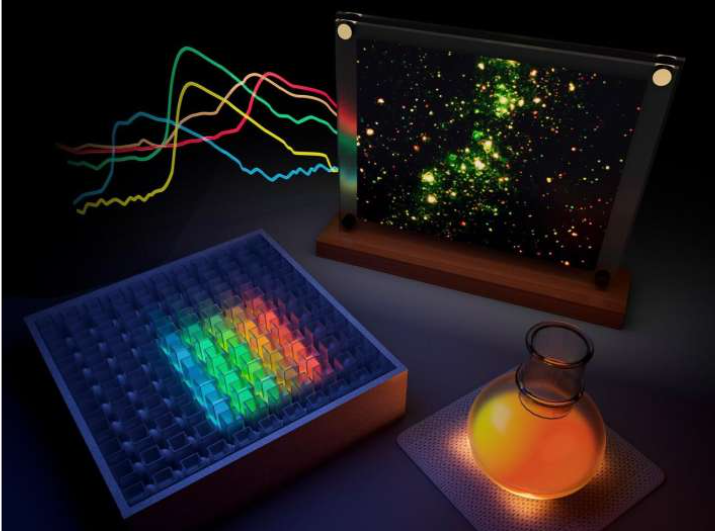 PNNL's rugged tracer particles can be mass-manufactured with specific properties for tracking through harsh and extreme environments. Source: Cortland Johnson/Pacific Northwest National Laboratory
Specifically, researchers used quantum dots coated with hydrated silica to create their new tracers, which are designed to track material fate and transport in harsh environments.
The hydrated silica, which is essentially a water-soaked glass, protects the quantum dots from the extreme conditions of a chemical explosion while allowing the tracers to maintain their brightness — unlike current protective methods in use that tend to diminish the brightness of tracers.
According to the PNNL team, the coated tracers were almost as bright as the original quantum dots and are rugged enough to function under severe extremes such as those encountered in oil and gas refineries or geothermal plants.
Further, the study suggests that the new tracers can be fine-tuned and easily mass produced.
The article detailing the new tracers, Luminescent silica microagglomerates, synthesis, and environmental testing, appears in the journal MRS Communications.