Spray promises to fix damage incurred by heart attack
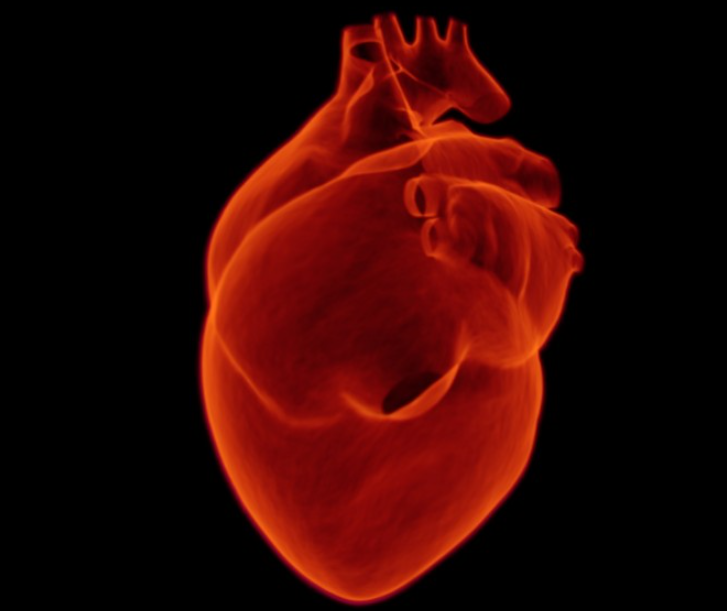
Marie Donlon | July 15, 2021Researchers from the Department of Molecular Biomedical Sciences and Comparative Medicine Institute, North Carolina University have developed a spray to help heal the heart following myocardial infarction or heart attack, thereby potentially avoiding major surgery.
The minimally invasive repair of a damaged rat heart in the lab was accomplished using an exosome — membrane-bound sacs that contain lipids, proteins and nucleic acid from stem cells — spray. The researchers combined the exosomes derived from mesenchymal stem cells with a blood clotting protein called fibrinogen.
 Once combined, the mix of fibrinogen and mesenchymal stem cells was added to a double-barreled syringe, which also held another blood clotting protein called thrombin.
Via a tiny incision, the substance was sprayed into the rat where the liquids formed an exosome gel that clung to the heart. The researchers reported that in the rats that had recently suffered a heart attack, the exosome spray healed injuries better and it lasted longer than heart-injected exosomes that tend to break down before having any therapeutic effects.
The researchers detail the spray in the journal ACS Nano.