Watch: Disposable chip delivers portability for infectious disease diagnostics
S. Himmelstein | December 14, 2020Polymerase chain reaction (PCR), the gold-standard test for detecting viruses and bacteria in biological or environmental samples, requires the use of laboratory equipment at the cost of considerable wait times for results. A portable and disposable diagnostic device designed by researchers from Moredun Research Institute (Scotland) and Imperial College London offers a miniaturized, low-cost approach to the detection of infectious agents in minutes.
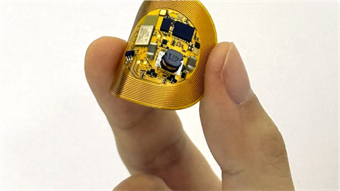
The method relies on TriSilix, a silicon-based integrated point-of-need transducer, for real-time quantitative detection of pathogen-specific sequences of nucleic acids. Each lab-on-a-chip contains a DNA sensor, temperature detector and heater to automate the testing process, with a typical smartphone battery able to  The device provides diagnostic results within minutes. Source: Estefania Nunez-Bajo et al.power up to 35 tests on a single charge.
The chips can be fabricated in a standard laboratory rather than large cleanroom facilities, reducing the time and costs incurred to manufacture the handheld devices. The portable test could accelerate diagnosis of infections and further reduce costs by eliminating transportation of samples and could enable increased access to testing outside of the clinic, including by patients at home.
TriSilix has been demonstrated to diagnose a bacterial infection commonly affecting cattle and a synthetic version of the genetic material from SARS-CoV-2, the virus responsible for COVID-19. A commercial version of the system could be mounted onto handheld blood sugar test-style devices, allowing users to self-test and receive results at home for colds, flu and COVID-19.
The researchers plan to validate the chip with clinical samples and automate sample preparation. Partners are sought to help accelerate the technology development and deliver testing at resource limited settings at homes or remote locations in the developing world.
A paper on this research is published in Nature Communications.