Saving Energy in Polymer Production With Gas Analyzer Instruments
February 16, 2018Sponsored content
The industrial sector is responsible for nearly a third of total energy use in the United States, according to the Energy Information Administration. Accounting for more than half of industrial energy use in 2010, the chemical manufacturing industry, including petroleum refining, is the single largest industrial consumer of energy, according to the National Academy of Sciences. The industry’s energy intensive processes consume large amounts of electricity and fuel, making energy costs a significant portion of manufacturers’ operating expenses. They are also major sources of pollution.
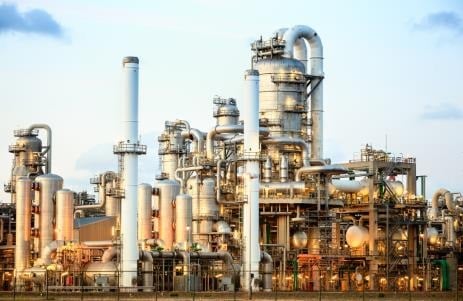 Figure 1: A top supplier of performance polymers sought to increase production throughput while increasing energy efficiency. Source: Control Instruments Corp.As a result, chemical manufacturers are always seeking ways to improve energy efficiency and to reduce emissions. One way to achieve this goal is by upgrading production lines with technologies such as gas analyzer instruments. By continuously monitoring emissions, these devices keep companies in compliance with environmental regulations while helping them to optimize productivity and reduce energy use.
Higher Yield
To illustrate this, consider one specialty chemical company — a top supplier of performance polymers — that set out to scale the production capabilities of one of its process lines to meet increasing customer demand. Its objective was to improve production while increasing energy efficiency and reducing emissions.
As a considerable source of volatile organic compounds (VOC) and particulate pollutants, the company was required by the EPA to control its emissions according to the Maximum Achievable Control Technology (MACT) standards.
To meet this requirement, the company worked with the regional EPA through its Pollution Prevention (P2) Program to enhance flare operations, add an appropriately sized catalytic oxidizer and upgrade the monitoring system on a batch dryer. Minimum destruction efficiency targets were greater than 98 percent for the flare and greater than 95 percent for the catalytic oxidizer.
To comply with emissions monitoring requirements, verify destruction efficiencies and enhance system safety, the company implemented three gas analysis instruments from Control Instruments Corporation.
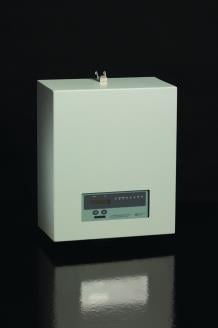 Figure 2: Model 650 Flame Ionization Detector (FID). Source: Control Instruments Corp.Catalytic Oxidizer Emissions
Required by the EPA to track annual catalytic oxidizer VOC emissions on an hourly basis, the company set up a Model 650 Flame Ionization Detector (FID) to measure total hydrocarbons at the oxidizer outlet. This allowed the company to verify VOC destruction efficiency in accordance with CFR40 Part 60 Method 25A. By meeting the regulatory tracking requirement, it was possible to operate the catalytic oxidizer at a lower destruction efficiency, saving on fuel costs.
The FID operates by measuring the material remaining after a pilot flame incinerates the hydrocarbons in a sample of the oxidizer exhaust. This ionized carbon is passed through an electric field, creating a current flow proportional to the amount of ionized carbon present. After measurement of the current flow by an electrometer, the signal is amplified and displayed, typically as a parts per million (ppm) reading.
Flare Destruction Efficiency
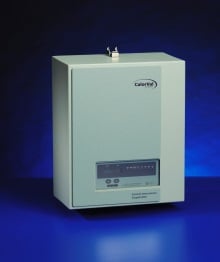 Figure 3: CalorVal BTU Analyzer. Source: Control Instruments Corp.The flare’s destruction efficiency was monitored by a CalorVal BTU Analyzer. Since the waste stream feeding the flare was made up of only gaseous byproduct from the production process, it was possible that additional natural gas would need to be injected to maintain the flare’s required 98 percent destruction efficiency. By measuring the lower heating value of the waste stream feeding the flare, the CalorVal could verify flare destruction efficiency and determine if natural gas injection was necessary.
The CalorVal functions by collecting a sample from the waste stream and delivering it to an explosion-proof measuring cell in which a flame burns at a constant reference temperature. Any changes in flame temperature are measured by a thermocouple and are directly proportional to the calorific value (BTU) of the sample. The CalorVal provides a continuous, near real-time, direct measurement of heating value.
Solvent Explosion Risk
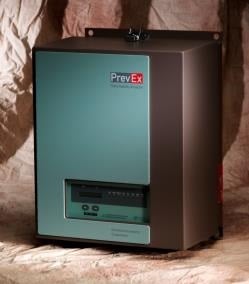 Figure 4: PrevEx Flammability Analyzer. Source: Control Instruments Corp.The safety monitoring system for the process line’s batch dryers was upgraded with a PrevEx Flammability Analyzer. This safety system was necessary due to the risk of an explosion if the hydrocarbon solvents removed by the dryers reached concentrations above a safe limit. The PrevEx continuously monitored the process stream to verify that solvent concentrations remained below this lower flammable limit (LFL). In the event that solvent levels rose above a certain percentage of the LFL, the dryer would quickly shut down to prevent an explosion of the flammable vapor.
The PrevEx Flammability Analyzer draws vapors from the dryer sample point into a chamber containing a carefully metered pilot flame. Temperature changes resulting from the sample incineration are detected by a temperature sensor and displayed as a percentage of LFL. The PrevEx has a response time of less than one second, eight times faster than the industry’s average sensor, ensuring prompt dryer shutdown to prevent explosions.
Instrument Advantages
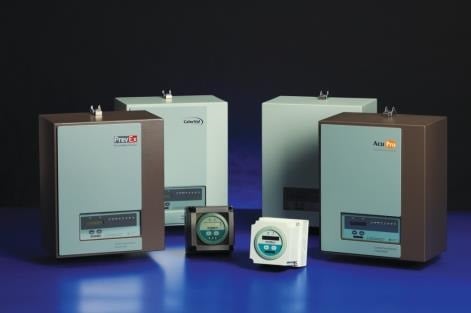 Figure 5: Control Instrument’s product lineup helps manufacturers improve process efficiency and safety. Source: Control Instruments Corp.The Model 650 FID, the CalorVal BTU Analyzer and the PrevEx Flammability Analyzer share a number of advantages over similar products. Each of the instruments feature fully heated sensor assemblies. By keeping sample trains at elevated temperatures, any possible contaminant compounds in samples are unable to condense. Such condensation could cause line clogging, fouling and corrosion damage, resulting in inaccurate readings. Control Instruments’ fully heated assemblies eliminate condensation, ensuring readings with the highest level of accuracy.
The instruments also mount either in close proximity to or directly on the process wall or duct, making long heat-traced sample lines unnecessary. By placing sensors as close to sample tap points as possible, sample transport delivery times are reduced, enabling fast response times.
Sample delivery to the instruments is achieved by aspirators driven by compressed air. With no pumps, blowers or other moving parts prone to breakdown, maintenance is minimized.
Energy Savings
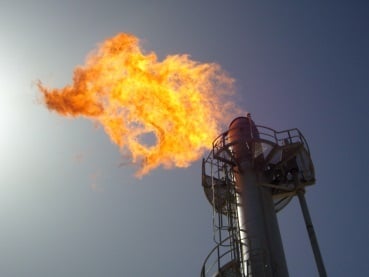 Figure 6: The flare was sustained by the production process’ own waste gases, negating the expense of additional natural gas injection. Source: Control Instruments Corp.By integrating Control Instruments’ gas analyzer instruments into the production process, the performance polymer supplier successfully scaled its production capabilities while increasing energy efficiency, optimizing productivity and remaining in compliance with EPA regulations.
The Model 650 FID verified the operational effectiveness of the catalytic oxidizer, allowing the company to actually reduce the oxidizer’s destruction efficiency from greater than 95 percent to 90 percent while still complying with environmental regulations. This resulted in substantial savings on fuel and catalytic bed replacement.
The CalorVal BTU Analyzer measured the heating value of the waste stream feeding the flare at around 600 BTU per standard cubic foot. At this level, the company could avoid the expense of additional natural gas injection, since the flare was sustained at the required destruction efficiency using only the waste gases from the production process.
Finally, the PrevEx Flammability Analyzer ensured safe operation of the process dryers despite higher product throughput by continuously monitoring dryer LFL to mitigate explosion risk.
Supporting higher production yields while enabling energy savings, gas analyzers from Control Instruments improve suppliers’ bottom lines.