
Watch: Ceramic Implant is a Hip Thing
S. Himmelstein | February 09, 2018Total hip replacement surgery is a fairly common procedure benefitting patients in the 60-80 age range. However, this surgery often fails in younger subjects with more active lifestyles. An alternative for this cohort is hip resurfacing -- removal of diseased cartilage followed by joint resurfacing with a metal-on-metal implant. The process is less invasive and affords the patient greater mobility after surgery.
But there are limitations to this option. Metal particles released by the implant in some subjects result in 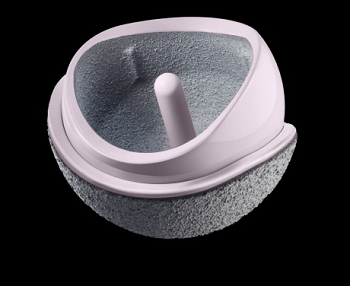 By swapping the metal material with ceramic, the advantages of hip resurfacing surgery are kept while potential problems arising from the metal ions released are removed. Source: Imperial College Londonswelling and other tissue reactions, as well as implant failure and the need for further surgery. Women are ineligible for resurfacing, as the metal implant doesn’t fit their hip bones properly, leading to higher failure rates.
Now early trials are underway at Imperial College London to assess a new ceramic hip resurfacing implant. The developers expect to demonstrate the suitability of the ceramic implant for both men and women. The ceramic used is the same material used for the ball head in most hip replacements in the world today.
To date, 15 patients with degenerative hip joint diseases such as osteoarthritis have been recruited, and all were able to return to physical activities such as swimming, cycling and walking within six weeks of their operation. By three months, patients were able to return to those activities they couldn’t do before, including dancing, yoga and gym work, like total hip replacement patients, but a little quicker.
The researchers will recruit a total of 250 patients to the clinical investigation from hospitals across the UK and the rest of Europe. The patients will be followed up over ten years to assess how the implant is performing.


Where do I sign up?