The Truth About the Chemicals in Your Sunscreen
Marie Donlon | August 23, 2017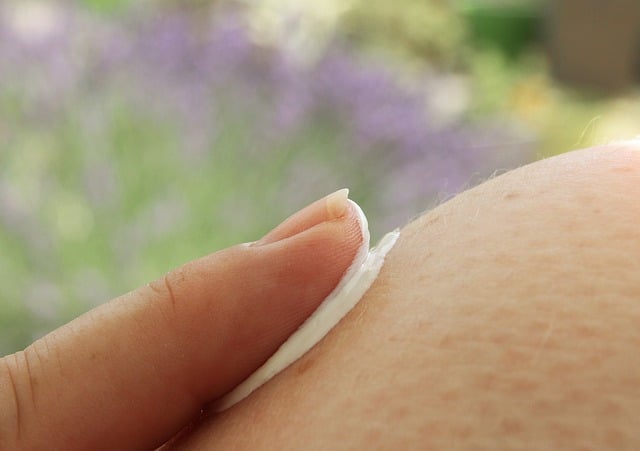 As the end of summer nears and cooler weather approaches, it is important to note that sunscreen should be worn year-round and not exclusively during the extra-warm summer months as we lounge poolside or at the beach. In fact, the matter is such a significant one that there are annual lists dedicated to finding the best sunscreens. And this year was no different. However, most of us won’t be buying the number one sunblock making the Consumer Reports list of best sunscreens for 2017.
At $27 per bottle, La-Roche-Posay’s Anthelios 60 Melt-in Sunscreen Milk isn’t exactly budget-friendly despite having made the list as the most effective. In fact, if you were to comply with every guideline concerning the daily application of sunscreen to prevent skin cancer, you would need to be a reality star to afford it.
Trader Joe’s Nourish Spray Sunscreen, with an SPF of 50+ (experts recommend using a sunscreen with an SPF of 30 or higher for daily use), comes in at number two on the Consumer Reports list with a far more practical price tag of $5.99. But is it both effective and safe?
What Should Sunscreen Do?
Sunscreen should, above all, protect against the powerful rays of the sun. Ideally, a sunscreen should be effective and simultaneously safe for both the environment and wearer.
Chemical or Mineral?
It is important to understand the difference between the types of sunscreen on the market. In the United States, the most common sunscreens available to consumers are either chemical-based or mineral-based.
Chemical-based sunscreens rely on chemicals to filter out dangerous UV rays while mineral-based sunscreens rely heavily on minerals (typically zinc oxide and titanium oxide) to filter out the UV rays. While most studies indicate that mineral-based sunscreens are safer because they aren’t easily absorbed into the skin as chemical sunscreens are, chemical sunscreens happen to be the most popular on the market.
Trader Joe’s Benefits
Not only is Trader Joe’s Nourish Spray Sunscreen both inexpensive and effective, the brand advertises that it also nourishes and hydrates while it protects. As advertised, the product is non-comedogenic (won’t clog pores) and is water-resistant for up to 80 minutes. So how is such an inexpensive product able to achieve all of these benefits?
Despite Trader Joe’s many assertions that it is safer than average sunscreens, it still receives a high hazard rating from the Environmental Working Group, a group that investigates the environmental and health impacts of a variety of everyday products.
According to the group, the product has a number of ingredients that can affect both health and environment.
Ingredients
Oxybenzone. Oxybenzone is a penetration enhancer that helps sunscreen to absorb into the skin. Oxybenzone is also an endocrine disruptor and thought to be an environmental toxicant. It is linked to mild skin allergic reactions and cardiovascular disease. Some researchers suspect it may cause biochemical or cellular level changes.
Avobenzone. Avobenzone is linked to cancer and allergic skin reactions.
Homosalate. Like oxybenzone, homosalate can be absorbed by the skin, increasing the chances for organ system toxicity. It is also thought to be an environmental toxicant and endocrine disruptor.
Octisalate. Octisalate is also absorbed by the skin, thereby linking the chemical to potential allergy and immunotoxicity concerns. Likewise, octisalate is thought to be an environmental toxicant.
Inactive Ingredients
Inactive ingredients are those ingredients that aren’t exactly vital to the function of the product and can sometimes disguise other ingredients more harmful than the main ingredients.
Alcohol denat. Also able to penetrate the skin, alcohol denat can cause biochemical or cellular changes and is also linked to developmental/reproductive toxicity, liver or gastrointestinal toxicity and cancer.
Mineral oil. Mineral oil is linked to cancer, organ system toxicity, allergies and immunotoxicity.
Aloe. There are gaps in data concerning aloe.
Glycerin. Glycerin is not suspected of being either harmful to the environment or the wearer, but it has use restrictions in cosmetics.
Acrylate. No identified concerns.
Coconut oil. No identified concerns.
Tocopherol. Tocopherol is linked to cancer.
Fragrance. Fragrance is linked to allergies, irritation of the eyes and skin and organ system toxicity. Fragrance is also suspected of being human respiratory and environmental toxicants.
Resources
Consumer Reports—Overview of Trader Joe’s Spray SPF 50+
EWG’s Skin Deep® Cosmetics Database—Trader Joe’s Spray Sunscreen, SPF 50+