Giving Infections the SLIPS
Engineering360 News Desk | November 03, 2016A coating inspired by nature may prevent the formation of infectious biofilms on surgical mesh, left ventricular-assist devices, and other medical implants.
Researchers from Wyss Institute for Biologically Inspired Engineering and the John A. Paulson School of Engineering and Applied Sciences (SEAS) at Harvard University previously engineered industrial and medical surface coatings that repel unwanted substances as diverse as ice, crude oil, and biological materials.
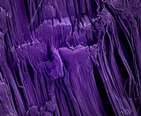 Surface treated with SLIPS. Image source: Wyss Institute, HarvardThe slippery liquid-infused porous surfaces (SLIPS) technology is based on observations of the carnivorous Nepenthes pitcher plant, which uses the porous surface of its leaves to immobilize a layer of liquid water, creating a slippery surface for capturing insects.
Previous medical SLIPS applications include coatings that can repel bacteria and blood from small medical implants, tools and surgical instruments that are made of steel or, more recently, coatings that help keep the lenses free from highly contaminating body fluids and thus transparent during procedures.
For this medical application, the SEAS scientists and researchers from Beth Israel Deaconess Medical Center (BIDMC) identified expanded polytetrafluoroethylene (ePTFE) as the Teflon material that would work best with a selection of compatible lubricants to provide a long-lived repellent surface against a common device-associated bacterial strain.
Next, researchers studied bacterial and tissue responses to implanted hernia meshes with or without a SLIPS surface after infecting rodents with Staphylococcus aureus.
“SLIPS coatings yielded extremely favorable responses in vivo: they resisted infection by bacteria and were associated with considerably less infiltrating immune cells and inflammatory abscesses than non-coated ePTFE,” says Elliot Chaikof, surgeon-in-chief at BIDMC and Wyss Institute Associate Faculty member.