Blue light wards off raw chicken bacteria
Marie Donlon | October 27, 2026Researchers at the University of Reading in the U.K. have found that low-power violet-blue light can eliminate Campylobacter bacteria in the lab, potentially offering a new way to reduce food poisoning risks associated with raw chicken.
Although cooking kills Campylobacter, the bacteria can spread from raw poultry to other foods and surfaces during preparation. Infection can cause symptoms such as abdominal cramps, fever, nausea and bloody diarrhea. Researchers found that violet-blue photodynamic inactivation (VB-PDI) eliminated all 64 bacterial strains tested, regardless of species or antibiotic resistance. The technique could offer an alternative to chemical treatments for reducing bacterial contamination on raw chicken and lowering the risk of foodborne illness.
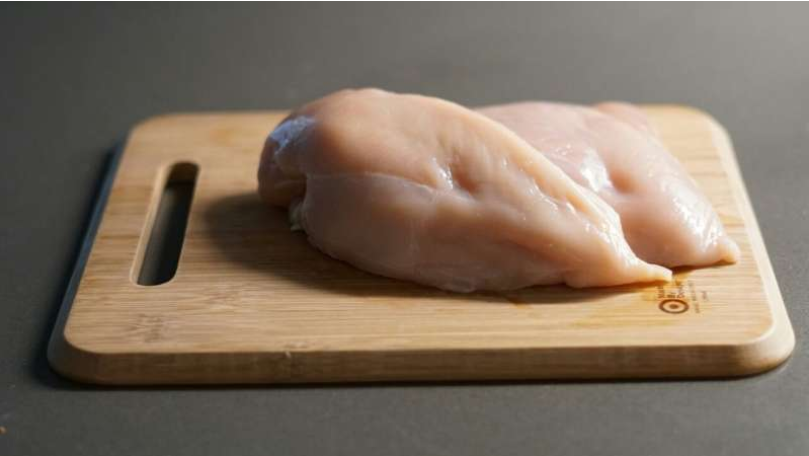
The VB-PDI method works by exposing bacteria to visible violet-blue light, which activates molecules inside the cells and triggers the production of lethal levels of reactive oxygen species. According to the researchers, the process requires neither direct contact with the food nor added chemicals, making it a potential option for treating chicken carcasses in processing plants after slaughter and before distribution to retailers.
The researchers estimate that a 100-fold reduction in Campylobacter on chicken carcasses could lower the proportion of highly contaminated products reaching stores from about 10% to 2%. When one strain was exposed to VB-PDI 15 times in a row in the lab, it showed no signs of developing resistance. The technique relies on low-power, long-lasting LEDs, potentially offering a cost-effective way to improve poultry safety, particularly in regions with limited food safety infrastructure.
An article detailing the approach, “One light to rule them all: photodynamic inactivation of diverse Campylobacter,” appears in the journal Microbiology.