Lobster shells make a powerful comeback as sustainable golf tees
Marie Donlon | September 24, 2026A team from the University of Maine is transforming discarded lobster shells into golf tees.
A byproduct of Maine's lobster industry, lobster shells are often landfilled. Now, the team has found another use case for the materials.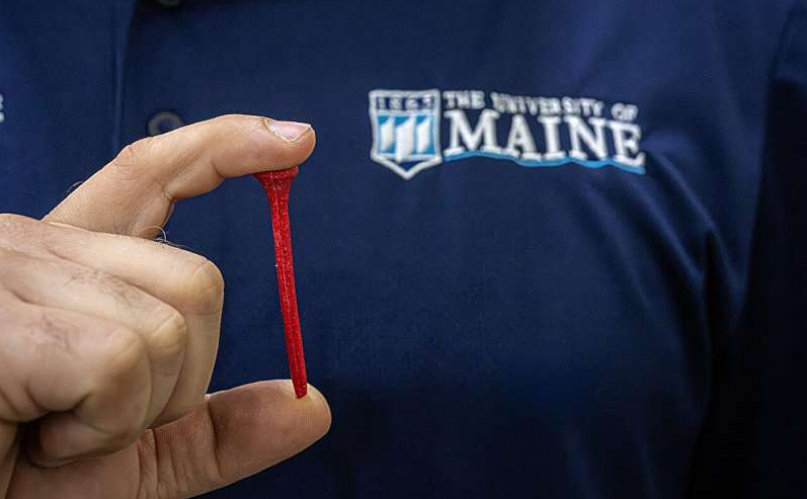 Source: University of Maine
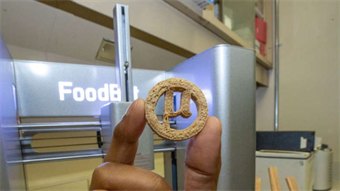
The team developed the lobster-shell-derived tees using a proprietary process that blends powdered lobster shells with other nature-based materials to create a moldable solid composite.
To produce the powder, the team first dried the shells before breaking, grinding and sifting them. Natural food dyes were then incorporated into the composite during processing, allowing the tees to be produced in a range of colors.
Researchers are measuring the mechanical performance of lobster-shell composite golf tees against conventional wood and plastic tees.
Although golf tees are small, their widespread use creates a significant waste stream, with more than one billion wooden tees discarded in the U.S. each year. Plastic tees can remain on golf courses after they break, potentially posing hazards to wildlife and damaging maintenance equipment. As a result, some golf courses have banned plastic tees.
The lobster-shell-derived tees decomposed in about a month when left on a golf course. Conventional wooden tees can take years to decompose, while plastic tees can remain in the environment for much longer.
By incorporating other natural materials into the composite, the team developed tees with enough strength to perform comparably to conventional golf tees.
The team also built a lab-scale injection molding system capable of processing the lobster-shell composite into golf tees.