How all-electric subsea actuation is eliminating hydraulic infrastructure
Diana Aoun | April 29, 2026 Subsea infrastructure operating silently beneath the surface
Offshore oil and gas production facilities have, for decades, relied on hydraulic systems to control subsea trees, valves, and safety systems. These complex systems require hydraulic power units (HPUs) on the host platform to generate and supply the pressurized fluid needed to power the hydraulic system. Associated with HPUs are long hydraulic lines and the need to contain hydraulic fluids.
Recent developments in the offshore space have seen all-electric subsea actuation rapidly maturing as a pathway to remove this hydraulic infrastructure entirely, simplifying system architecture while cutting costs, installation time and carbon emissions. While electric subsea monitoring systems have existed for decades, only recently has actuation technology matured enough to replace the power and reliability of hydraulic systems for controlling subsea valves.
Eliminating hydraulics for simpler architecture
The fundamental concept behind this shift is straightforward: replace hydraulic lines and fluids with electrical cables and actuators. All-electric subsea production systems are spearheading this transition and have been developed to integrate with existing subsea tree designs or retrofit electro-hydraulic trees. 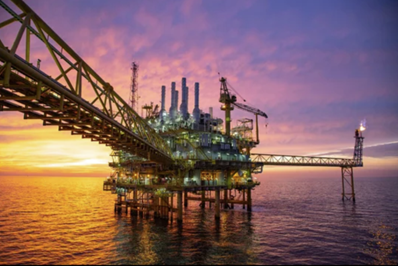 Offshore construction platform for production oil and gas. Source: Adobe Stock
These systems replace pressurized hydraulic fluid with electrical cables and compact electric motors to operate seabed valves. Removing hydraulics eliminates the risk of fluid leaks as well as the common failure patterns associated with complex hydraulic controls, while reducing the need for routine in-person maintenance. This frees operators from the demands of hydraulic systems, reducing the number of personnel needed for these tasks and potentially enabling unattended facilities supported by autonomous robotic inspections. The result is a simpler, cleaner and more reliable approach to subsea well control. By connecting the topside facility directly to downhole equipment without any hydraulics in between, all-electric subsea systems can drive down costs and simplify subsea installations. Electrifying the production side of these offshore facilities makes operations safer and more efficient, without compromising the ability to meet global energy needs.
Large-scale deployment
Recent offshore developments have demonstrated the viability of large-scale all-electric subsea production systems. This technology significantly reduces topside needs, making large-scale tiebacks (i.e., long-distance connections) possible, and they also hold the key to unlocking more marginal resources (small or remote deposits that were previously uneconomical to develop), through their reduced footprint and simplified operations.
[Read more about subsea integrity on GlobalSpec]
Offshore facilities adopting this technology have implemented scopes of work that include multiple subsea templates and all-electric subsea trees. This eliminates the need for hydraulic fluid supplied from the host platform and keeps topside modifications to a minimum. This has provided a cost-effective solution while retaining topside space for additional future expansion projects.
Retrofitting existing trees
While recent developments have proven all-electric systems work in new-build projects, efforts are also underway to make the technology adaptable for existing fields. Pilot projects are currently testing different electric actuation technologies, with integration into a subsea tree expected this year. This pilot builds on two decades of electric subsea system experience and more than 30 million hours of operational run time logged by existing electric subsea systems.
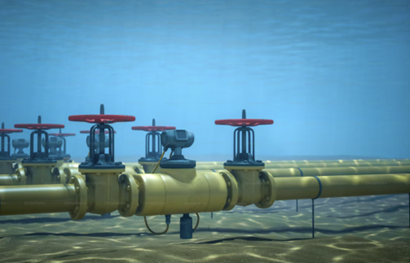 Underwater oil pipelines on ocean floor. Souce: Unsplash + The pilot technology differs from earlier all-electric systems primarily in its flexibility: it is designed to be added to subsea trees already in service, rather than only to new equipment during manufacturing. While some retrofit capability has existed for new equipment, this pilot technology is designed to electrify trees already in service at any point during their operational life. Unlike the large-scale deployment of all-new all-electric systems, this particular technology allows operators to electrify a subsea tree at any stage of the project, including manufacturing or installation, over the life of the field, or when refurbishing an existing tree. This means operators do not have to commit to an all-electric system from the start; they can add it later. The pilot aims to support the broader shift toward fully electric subsea production as operators look to reduce carbon footprints and simplify subsea infrastructure.
Cutting costs, complexity, and carbon
By removing hydraulics, all-electric systems are designed to slash costs, installation time and complexity while boosting production control, reliability, and cutting carbon emissions throughout a field's lifespan. These systems are suitable for shallow and deepwater developments, including subsea carbon capture, utilization and storage (CCUS) fields and long-offset tieback projects.
Electric subsea systems support field simplification by using standard system components and enable fully or partially electrified subsea field architectures where necessary. The same electric subsea architecture can also support future energy developments, such as integrating renewable energy sources into offshore operations.
All-electric subsea systems are modular and can be tailored to fit a range of development types, from shallow to deepwater fields. Their design enables integration with existing subsea trees or retrofitting of older electro-hydraulic trees. This flexibility means operators are not forced into a one-size-fits-all solution; systems can be adapted to meet the specific demands of a given project, including subsea carbon capture and storage applications or long-distance tiebacks.
Conclusion
All-electric subsea actuation is moving from concept to reality across the offshore industry. Large-scale implementation at offshore facilities has proven that removing hydraulic infrastructure is a viable option, while current pilot projects continue to expand the technology's capabilities, including the ability to retrofit existing fields.  A metal gate valve. Source: Pexels
The benefits are consistent: lower costs, reduced installation time, simpler system architecture and lower carbon emissions. By replacing hydraulic lines and fluids with electrical cables and compact motors, operators can develop remote and marginal resources that were previously unfeasible to pursue. As the industry looks for cleaner and more efficient operations, all-electric subsea systems offer a practical path forward that simplifies operations, reduces the number of offshore personnel and even opens the door to integrating renewable energy.