Encapsulating wearable sensors using two-part epoxy
February 23, 2026As wearable medical sensors continue to shrink in size and grow in complexity, manufacturers face increasing challenges in protecting sensitive electronics from environmental exposure while maintaining scalability and consistency in production. Encapsulation plays a critical role, requiring materials and processes that deliver reliability without compromising device performance or patient safety.
This case study highlights a collaborative solution developed by Master Bond and Nordson EFD to address these challenges using a biocompatible, pre-mixed and frozen two-part epoxy combined with precision automated dispensing.
Epoxy requirements and selection
The wearable sensor application required an epoxy with the ability to fill intricate geometries without voids, cure below 80° C to protect heat-sensitive electronics and comply with non-cytotoxicity requirements for skin contact. Optical clarity and compatibility with automated dispensing were also essential. Master Bond’s EP21LSCL-2Med was selected based on its ISO 10993-5 non-cytotoxicity rating, low-temperature heat cure and low mixed viscosity of 500 to 1,000 cps, which supported capillary action in tight spaces.
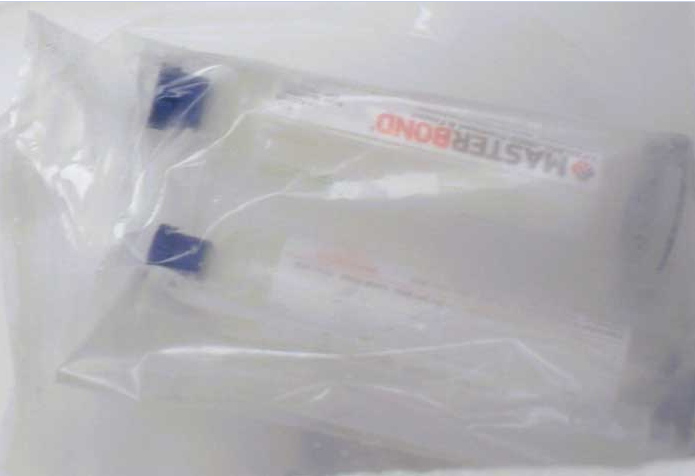 Figure 1: Master Bond fluids were shipped frozen and after thawing offered six to eight hours of working life. Source: Master Bond
Dispensing technology considerations
The epoxy’s working life — six to eight hours once thawed — was a critical factor in selecting the dispensing system. Because the material could not be refrozen, the solution needed to maximize usable time while maintaining consistent shot size and placement accuracy throughout the dispensing window.
The dispensing technology also had to ensure the epoxy flowed smoothly around sensor components and filled complex geometries without entrapping air. This required a comprehensive solution encompassing the fluid dispenser, dispense valve, automation platform and dispense tips.
Optimizing dispensing with the Nordson Ultimus V
Nordson EFD’s Ultimus V fluid dispenser was chosen to meet these requirements. This high-precision benchtop dispenser provides electronic control over dispensing time, air pressure and vacuum, enabling consistent application even as the epoxy’s viscosity changes over time.
Once programmed, the Ultimus V automatically adjusts air pressure through full electronic pressure regulation, maintaining accurate shot size from the first dispense to the last. This capability proved essential for maximizing material usage within the epoxy’s limited working life.
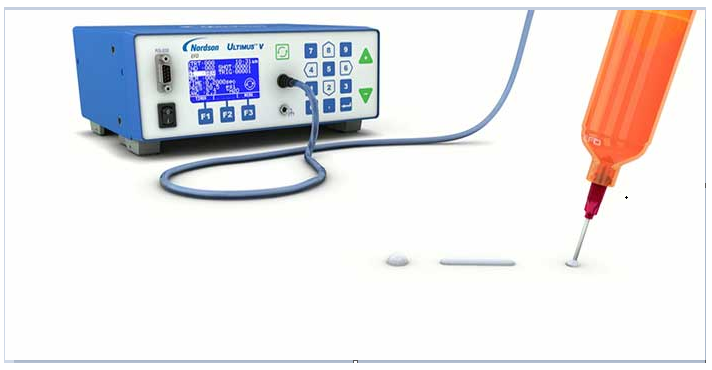 Figure 2: The Ultimus V fluid dispensing solution was recommended because the shot size remains consistent regardless of viscosity changes in EP21LSCL-2Med. Source: Master Bond
Eliminating air entrapment
Air bubbles pose a significant risk in sensor encapsulation, potentially compromising protection and reliability. Master Bond addressed this by implementing rigorous degassing protocols prior to freezing, centrifuging the epoxy at 2,000 rpm to 3,000 rpm for one to two minutes before packaging it in syringes.
Following thawing, Nordson EFD recommended controlled thawing procedures and additional centrifugation using the ProcessMate5000 Universal Centrifuge to prevent freeze-thaw voids (FTVs) and ensure a uniform, bubble-free material during dispensing.
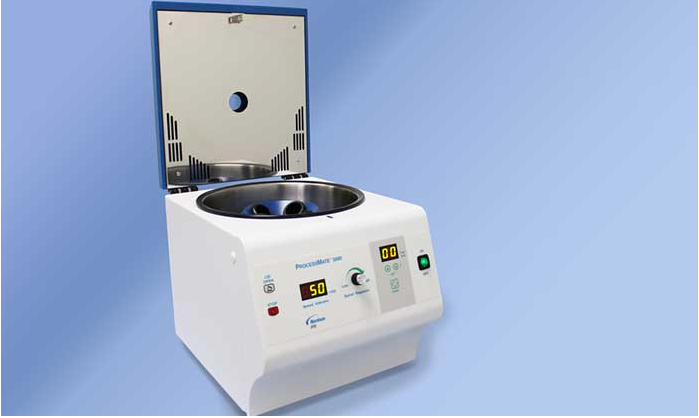 Figure 3: Using a centrifuge system like the ProcessMate 5000 Universal Centrifuge is a proven way to ensure no air pockets exist after thawing the epoxy used in this application. Source: Master Bond
Results
The combined use of Master Bond’s pre-mixed, non-cytotoxic epoxy and Nordson EFD’s precision dispensing technology enabled reliable, void-free encapsulation of wearable medical sensors. The collaborative approach delivered a repeatable, scalable manufacturing process that protected sensitive electronics while meeting stringent medical device requirements.
Have a dispensing question that needs to be answered? Don’t hesitate to submit a question or comment at info@nordsonefd.com.
Have an adhesive question that needs to be answered? Don’t hesitate to submit a question or comment at technical@masterbond.com.