Indoor energy harvester for battery-free IoT
S. Himmelstein | January 30, 2026 Source: Dracula Technologies
The demand for efficient, compact and sustainable energy solutions to power internet of things (IoT) systems and data centers is steadily increasing. A battery-free solution from Dracula Technologies can take the bite out of this demand surge by harvesting energy from ambient indoor light, whether natural or artificial.
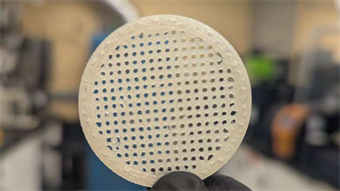
The LAYER V2.0 organic photovoltaic (OPV) device converts light into electricity using an organic active layer composed mainly of carbon and hydrogen. This newest generation of LAYER technology delivers a 30% increase in overall performance compared to previous versions.
The performance upgrade is derived from a proprietary OPV ink that combines improved light absorption with higher conversion efficiency. Printed via inkjet on a substrate, the ink enables durable, efficient active layers and supports custom cell shapes and configurations at scale. These enhancements allow the modules to perform effectively even under low indoor light conditions, such as environments dominated by LED lighting.
The result: reduced module surface area for equivalent output, lower costs, simplified integration and reduced reliance on disposable batteries.
“With LAYER V2.0, we are taking a major step forward in making light energy harvesting a practical and scalable power source for real-world IoT applications,” said Sadok Ben Dkhil, chief technology officer at Dracula Technologies. “This new generation removes key limitations around size, performance and cost, enabling more autonomous, durable and sustainable connected devices without compromising reliability or design. With improved performance and new aesthetic options, OEMs now have greater freedom to integrate energy harvesting seamlessly into their products.”