Guidelines for CO2 pipeline safety and operation
S. Himmelstein | January 29, 2026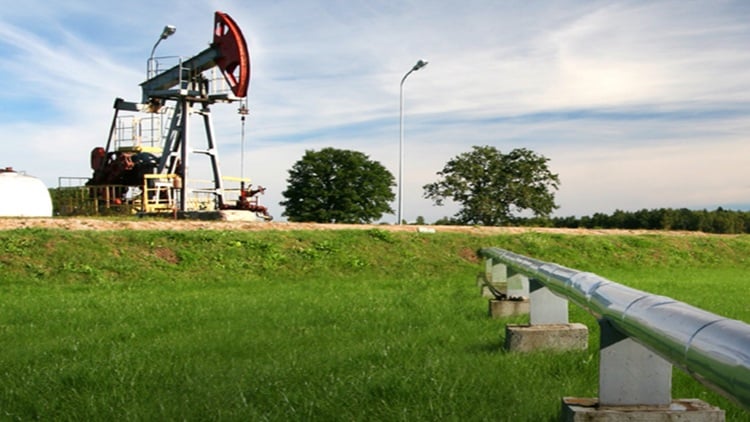 Source: API
Carbon dioxide (CO2) pipelines are an increasingly important part of the pipeline infrastructure in the U.S. as companies explore new systems and consider repurposing existing assets to transport CO2 for long-term storage or enhanced oil recovery. A new standard issued by the American Petroleum Institute (API) defines performance requirements for the safe and reliable transport of this gas, and addresses the design, construction, operation and management of such pipelines.
The recommended practice applies to CO2 transported in gaseous, liquid and supercritical states, and complements existing federal pipeline regulations.
The API Recommended Practice 1192 (RP 1192), Transportation of Carbon Dioxide by Pipeline standard focuses on system components and operations impacting performance and integrity, including operating pressure ranges, ductile fracture control, pressure fluctuations, corrosion considerations and non-metallic component interactions. The document also provides guidance on repurposing existing assets for CO2 service and considerations for emergency response planning for CO2.
The U.S. has around 5,300 miles of CO2 pipelines, primarily linking natural sources of the gas to oil fields for enhanced oil recovery. However, a much larger pipeline network will be needed for carbon capture and storage plans to reduce greenhouse gas emissions.