Engineered fungus produces a protein-packed meat alternative
Marie Donlon | December 20, 2025A team of researchers from Jiangnan University in China has developed a modified fungus that tastes like meat while also reducing production environmental impact by 61%.
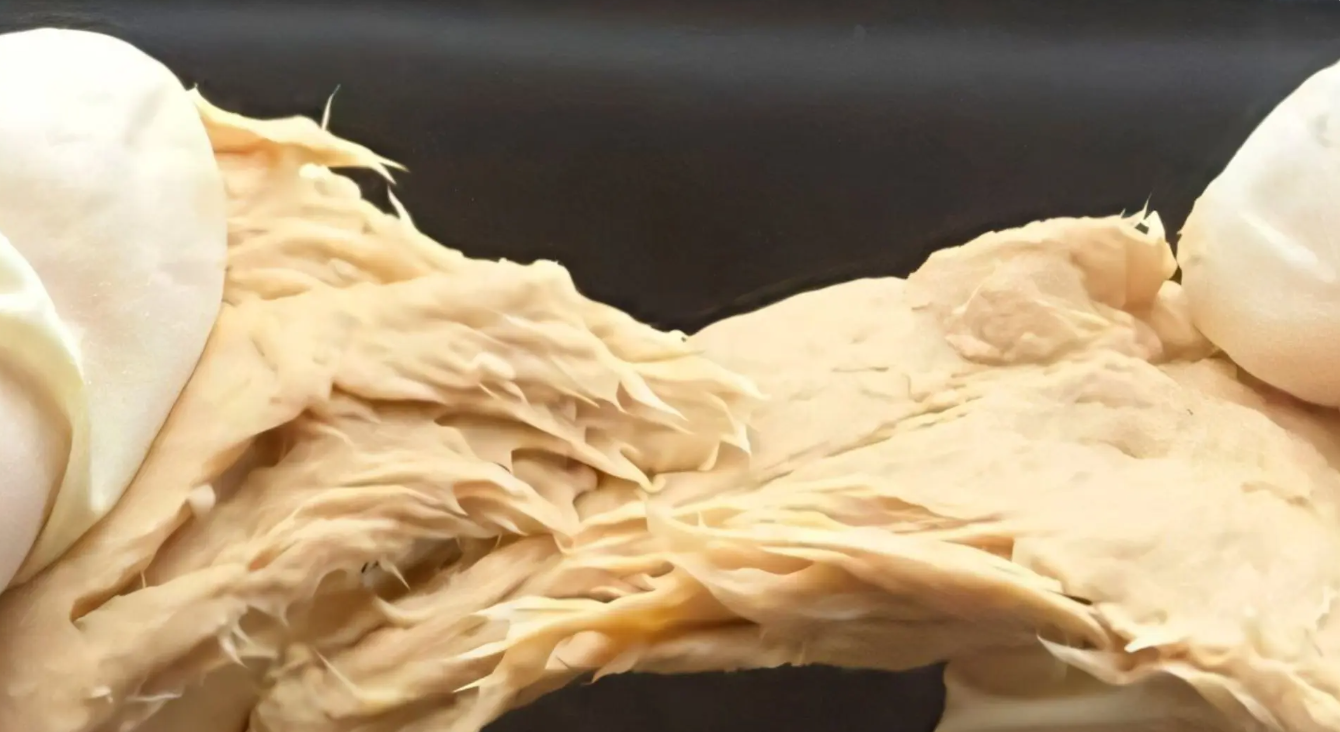
The process, according to the researchers, relies on CRISPR gene-editing technology. Specifically, the team gene-edited Fusarium venenatum — which is a common mycoprotein source — without introducing any foreign DNA. The process produced a super-fungus strain, called FCPD, which is reportedly easier to digest and more efficient to produce.
 Source: Xiao Liu
“There is a popular demand for better and more sustainable protein for food. We successfully made a fungus not only more nutritious but also more environmentally friendly by tweaking its genes,” the researchers noted.
The team explained that Fusarium venenatum is already known for its meat-like natural texture and flavor, however its thick walls previously posed a digestive challenge, and its manufacture required intensive resources.
To tackle this issue, the team used CRISPR to delete two specific genes. One gene was linked to chitin synthase, thus resulting in reduced cell wall thickness. This made the protein within the cell easier for humans to digest versus the naturally occurring fungus.
The second gene that was removed was pyruvate decarboxylase and this edit reportedly fine-tuned the fungus’s metabolism and enabled the production of a protein that demanded less nutrient input.
When measured against the original strain, FCPD required 44% less sugar to produce the same amount of protein, and it achieved this production 88% faster.
“A lot of people thought growing mycoprotein was more sustainable, but no one had really considered how to reduce the environmental impact of the entire production process, especially when compared to other alternative protein products,” the team explained.
The team also reported that according to simulations FCPD production dramatically lowered greenhouse gas emissions — up to 60% less over its life cycle.
The team’s findings were detailed in the article, “Dual enhancement of mycoprotein nutrition and sustainability via CRISPR-mediated metabolic engineering of Fusarium venenatum,” which appears in the journal Trends in Biotechnology.