Vacuum pump overheating: Prevention, response and modern solutions
Diana Aoun | November 17, 2025Maintaining the reliable operation of vacuum pumps is crucial for many laboratory and industrial settings, and one of the most common issues associated with these pumps is overheating. Excessive heat is not just an operational inconvenience, it can have a major impact on the pump’s service life, efficiency and performance, which ultimately affects productivity. This is why understanding the root causes of overheating is critical, as this enables operators to implement both preventive and mitigation measures. In addition, modern technological advancements in this space are continuously emerging, which can help to further fortify operational integrity.
The implications associated with vacuum pump overheating can be both severe and complex. At an internal pump level, elevated temperatures accelerate the degradation of the pump oil. This breaking down process is often referred to as “thermal cracking,” and transforms pump oil from an effective lubricant and sealant into a thick sludge that can clog up internal passages and increase stress on the pump. The oil’s ability to adequately seal and lubricate is also diminished, resulting in premature wear on critical components such as vanes, rotors and bearings. In addition, numerous processes, which rely on a precise vacuum level, may fail to be achieved when the pump overheats — potentially jeopardizing the entire application. In extreme cases, thermal expansion of internal components may lead to catastrophic seizure, resulting in costly failure and downtime.
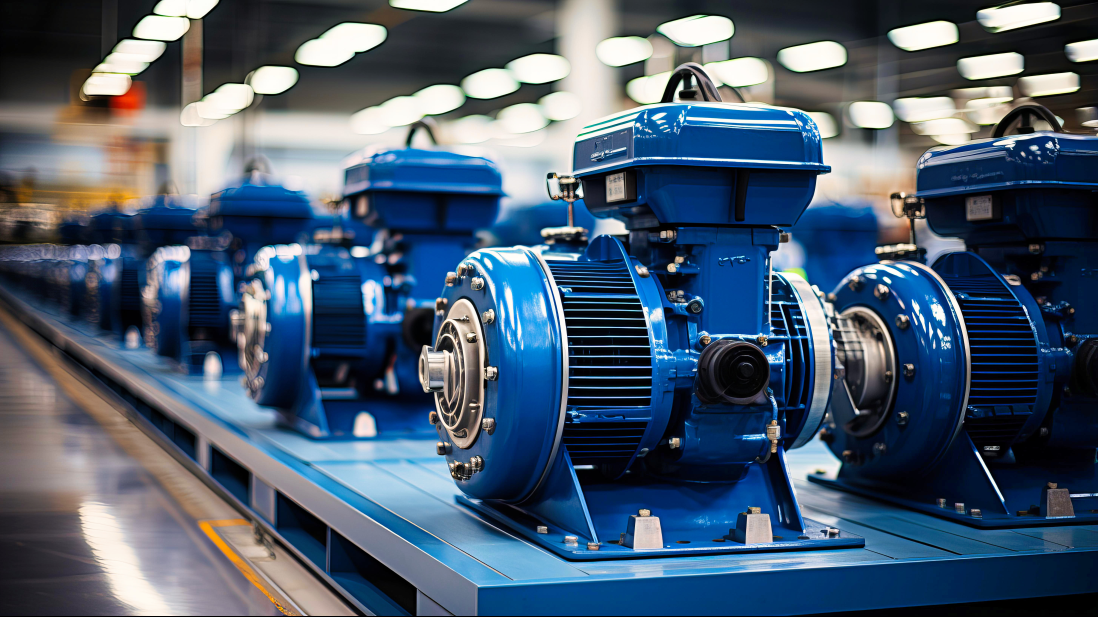 Source: NURA ALAM/Adobe Stock
Prevention: The first line of defense
Implementing measures to prevent pump overheating is preferable to dealing with the aftermath. A comprehensive prevention strategy should address the pump’s environment, maintenance schedule and operating conditions.
Ensuring the availability of an abundant supply of clean, cool air is arguably the single most critical step to prevent pump overheating. Vacuum pumps should be installed in an area with adequate ventilation and sufficient space around them, in accordance with manufacturer specifications. It is equally crucial to ensure that intake and exhaust vents are not obstructed. In areas with high ambient temperatures, or for pumps operating under heavy loads, it may be necessary to install additional cooling systems. This may include cooling fans or additional ventilation to manage heat buildup. For pumps that use water as a cooling medium, it is vital to ensure a regular flow of water at the necessary temperature and pressure. During maintenance, it is also important to check for any scale buildup in the cooling unit, which can trap heat.
An effective and consistent maintenance regimen is another critical step for the prevention of vacuum pump overheating. The condition of the pump oil, which is critical for both lubrication and sealing, has a direct impact on operating temperature. Oil should be changed in accordance with the manufacturer’s recommendations, or more frequently during periods of heavy operational load. The use of the correct grade and type of oil is imperative, as the use of the wrong type of oil, which can have drastically different properties that can lead to pump overheating and other malfunctions. In addition to regular oil changes, the oil filter must be replaced regularly. A clogged filter forces the pump to work harder to move oil, generating excess heat. A thorough inspection should also include checking for and replacing worn seals, as leaks can allow air ingress and disrupt the pump's internal pressure balance, leading to increased temperatures.
Operational procedures also play an important role in preventing pumps from overheating. Ensuring that the pump is correctly sized for the application is crucial; an undersized pump continuously running at full speed will generate excessive heat. In addition, thermal stress can be avoided by allowing the pump warm up to its operating temperature before putting it under full load and letting it cool down before stopping. Finally, ensuring the pump and its surroundings are clean from dust, dirt and debris, will help to avoid the formation of an insulating blanket or clogging cooling fins.
Response: What to do when a pump overheats
If a pump begins to overheat, which may be indicated by a hot casing, abnormal noises, reduced performance or alarms, this will require immediate and suitable action. The most critical step is safely shutting down the pump. Abrupt pump shutdown can cause damage, which is why it is important to follow the manufacturer’s recommended shutdown procedure. After shutdown, it is essential to let the pump cool down completely. However, rapid cooling methods, such as using compressed air, should be avoided, as the resulting thermal shock can warp or crack critical components.
Once the pump has cooled down, a thorough analysis to determine the root cause(s) should be carried out. Common causes include:
i. Oil level and condition — look for discoloration or a burnt smell.
ii. Confirm that all cooling inlets and exhaust paths are completely unobstructed.
iii. Look for any traces of oil leaks or worn seals.
Once the problem has been identified and corrected, (and a pump inspection has ruled out any damage), the pump may be restarted but should be monitored closely to ensure that corrective actions were successful.
Modern innovations and their application
Technological advances in this field have provided new tools for managing pump overheating. Modern vacuum pumps increasingly feature intelligent and advanced cooling design. One distinct feature is the incorporation of smart temperature monitoring systems that can provide real-time data to centralized control systems. This enables predictive maintenance and provides operators with advanced warning of potential operating issues before a critical failure occurs.
Cooling system configuration has also undergone significant enhancement. Most contemporary pumps are designed with more optimized interior and exterior cooling channels. Improved fin design on the pump casing allows for optimal cooling effect by increasing the surface area for better heat dissipation.
In addition, the evolution of advanced, synthetic vacuum oils has been revolutionary. These high-performance fluids are specifically formulated to resist thermal breakdown and oxidation at elevated temperatures, maintaining their lubricating and sealing properties for an extended period and under more challenging conditions. This built-in thermal stability helps maintain cooler and more reliable pump operation, thereby extending service life and minimizing maintenance requirements.
Conclusion
While vacuum pump overheating presents a serious operational challenge, with the right approach, it is a manageable one. A comprehensive strategy that combines diligent preventive maintenance, responsible operational practices and a clear protocol for responding to overheating events will ensure maximum pump life and reliability. Furthermore, by adopting modern technologies such as advanced monitoring systems and thermally stable fluids, operators can add a significant layer of protection against the damaging effects of excess heat, further protecting equipment and processes.