Shielding pressure instruments against corrosive damage
Diana Aoun | October 05, 2025Pressure instrumentation is often constantly challenged by corrosion in plants or facilities across a wide range of industries. Whether they are overseeing a crude distillation column, seawater cooling or an acid tank, they are installed to keep both facilities and personnel safe while maintaining efficient and orderly operations. Corrosion, however, remains one of the biggest threats to their reliability.
Most field operators and engineers have likely witnessed the impacts of corrosion on pressure instrumentation and other plant equipment. Signs of corrosion might include a pressure indicator with a sudden erratic reading, or a transmitter that goes down without any warning. Corrosion can lead to leaks into the environment, unplanned shutdowns that cost millions, and, in some cases, injury to workers.
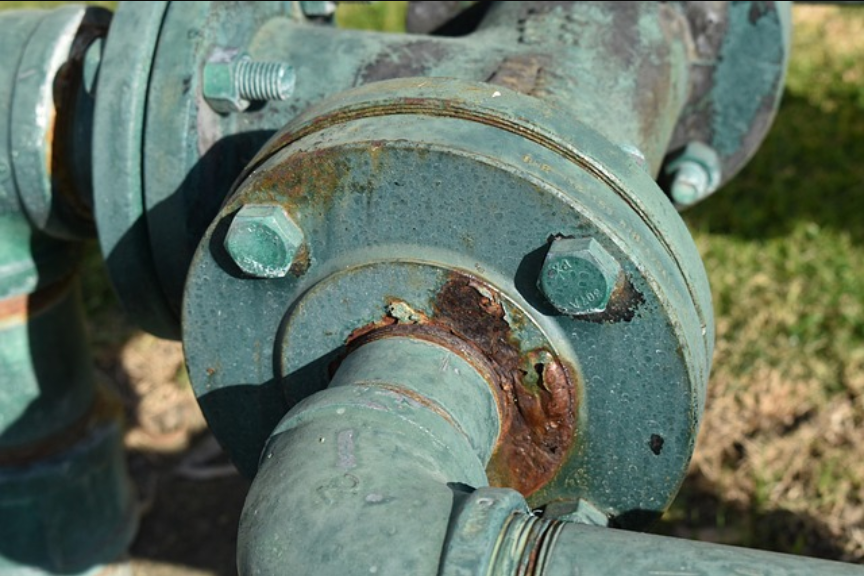
This article examines the various forms of corrosion, the factors that contribute to corrosive environments and the importance of selecting compatible materials for process instrumentation. It also outlines key considerations for choosing pressure instrumentation that can endure demanding corrosive conditions.
Understanding the risks
Corrosion can appear in many forms, usually more quickly than anticipated and almost always in the most difficult or inaccessible locations. Pressure gauges are especially prone to corrosion, as their wetted parts, diaphragms and housings interact with corrosive process media.
The most common types of corrosion include:
· Pitting corrosion, which involves the formation of vast numbers of small but deep cavities that eat their way through a diaphragm or housing.
· Crevice corrosion, lurking in small spaces and joints.
· Galvanic corrosion, in which dissimilar metals within an assembly form an unwanted battery.
In addition, environmental conditions such as high chlorides in seawater, acidic gases in refining or the high humidity near pipework, speed up corrosion. Factor in temperature swings, vibration or poor installation practices, and a small corrosion site can quickly escalate into a system-wide issue.
Materials and design in selecting the optimal defense
The first line of defense against corrosion is instrument design. While stainless-steel is the standard ‘go-to’ material for corrosion protection, it may not be the most suitable choice in all applications. This is why some modern instruments are constructed using special alloys, ceramics and engineered polymers.
For example, some of the latest pressure transmitters on the market designed for marine applications utilize weldless titanium housing combined with ceramic sensor technology, rather than a welded design (which can become a point of weakness). Although titanium is more expensive, it provides superior protection against corrosive elements like seawater and acids, where stainless steel might fail.
These design decisions are important because they address real-life pain points. Even an instrument that fails every two years (each time the least corrosion-resistant materials need replacement) may appear cost-effective on paper, whereas in reality, the down time, replacement and frequent touch-up labor expenses easily eclipse the upfront investment of a more robust solution against corrosion.
Monitoring and upkeep: Staying one step ahead
Even the best materials need support. Corrosion has a way of creeping in unnoticed, which makes continuous monitoring and smart maintenance practices essential.
In many industrial settings, corrosion-related failures are discovered only after damage has already occurred. By the time a pressure instrument drifts off calibration or a relief valve shows signs of weakness, the process may already be at risk. That’s why more facilities are turning to online corrosion monitoring systems that measure metal loss or chemical conditions in real time.
Online corrosion monitoring systems are typically installed at critical locations along the process line where corrosive conditions are more likely to occur, for example, around pressure relief valves or injection points. These sensors do not rely on indirect data to infer corrosion, but monitor metal loss in the system directly, providing real-time feedback on how quickly corrosion is occurring (if at all). By installing these sensors in susceptible positions, or on the downstream side of known stagnant spots, operators can receive instant warnings about localized attacks.
The result is a shift from reactive maintenance to a more predictive approach, where decisions are based on measurable trends rather than guesswork.
When paired with routine inspections, proper installation practices (such as avoiding crevices and ensuring correct seals), and well-planned maintenance schedules, corrosion monitoring tools can significantly extend the life and reliability of pressure instruments.
Balancing cost, reliability and safety
Managing corrosion effectively requires a balance between cost and long-term reliability. Choosing a lower-cost option, like standard stainless-steel instruments, may be appealing at first, but it can lead to more frequent failures and higher maintenance down the line. Investing in more durable materials, protective coatings or continuous monitoring may require higher upfront costs, but it pays off through longer instrument life, fewer disruptions and smoother operations.
Pressure transmitters designed with specialized non-conventional corrosion-resistant materials can reduce risks in harsh environments, such as marine or chemical systems. Similarly, using monitoring tools can prevent small defects from turning into widespread failures.
It is also critically important to keep in mind that the failure of a pressure instrument due to corrosion jeopardizes more than just equipment; it directly threatens operator safety, process integrity and company reputation. This is why an effective corrosion protection strategy must address the risk to personnel safety with the same (if not higher) rigor, as plant uptime and productivity.
Conclusion: A smarter way forward
Corrosion may never disappear completely, but strategies for managing it have become much more nuanced and effective when applied correctly. With careful selection of materials, thoughtfully designed instruments and modern monitoring techniques, corrosion can shift from being an unpredictable threat to a manageable factor.
Key takeaways:
· Choose instruments specifically designed for the conditions in which they will operate.
· Implement monitoring strategies that anticipate issues rather than simply reacting to them.
· Recognize that the lowest initial cost often does not equate to the lowest total cost over the instrument’s lifetime.
Instruments that measure pressure may be small in their physical size, but their importance in the realm of safety and efficiency is significant. Effective corrosion prevention is therefore imperative, representing a core duty of care toward personnel, process integrity and resource management.