Biodegradable breakthrough: Greener materials transform single-use medical devices
Jody Dascalu | June 24, 2025Biodegradable materials offer a possible way to reduce the environmental impact associated with single-use medical devices (SUMDs). A range of materials, including PLA, PCL, PHAs and starch-based polymers, have shown utility in applications such as sutures, drug delivery systems and wound care. These materials can meet specific performance requirements while also offering potential end-of-life advantages over traditional plastics.
At the same time, technical and logistical challenges remain. Biopolymers often have lower mechanical strength, shorter shelf lives and narrower processing windows than conventional plastics. Their compatibility with standard sterilization methods is also limited, and cost remains a constraint for many high-volume applications. Moreover, the infrastructure for managing biodegradable medical waste is not yet well established.
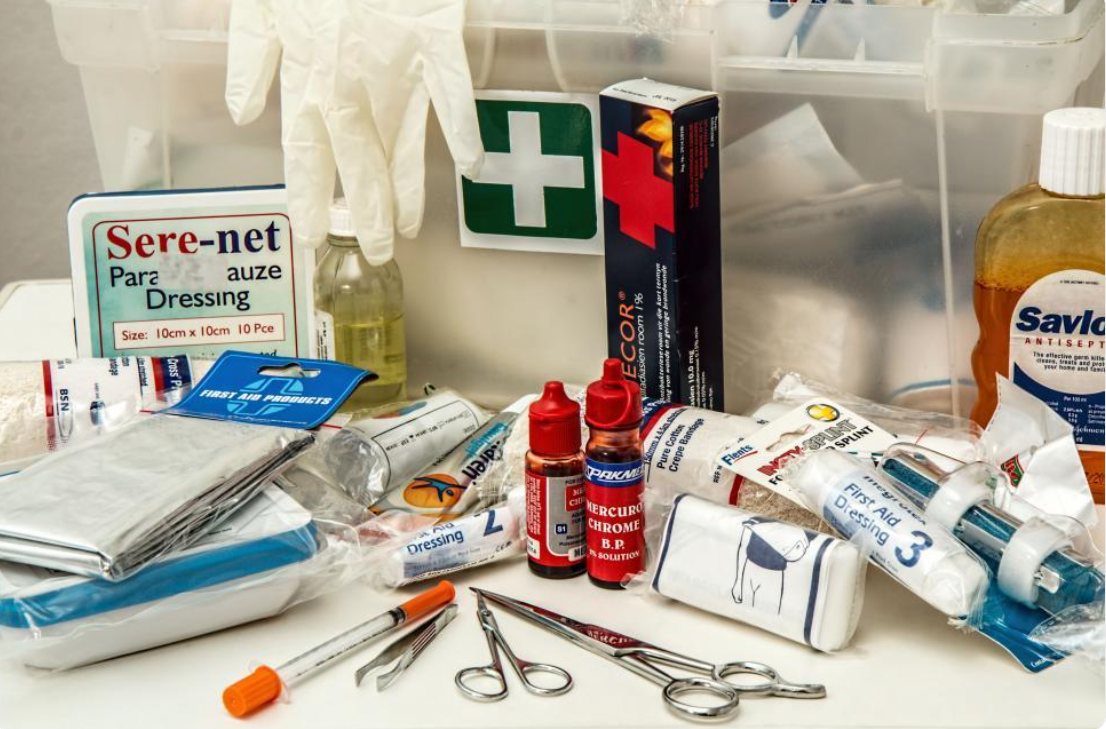 Medical supplies. Source: Steve Buissinne/Freerange
Continued development is needed to improve material properties and processing methods. Greater clarity in regulatory frameworks, along with adjustments in procurement and waste management practices, will also play a role in enabling broader use. While biodegradable materials are not a comprehensive solution, they may be a practical step toward reducing reliance on non-degradable plastics in selected medical applications.
Conventional materials and their limitations
SUMDs are typically made from thermoplastics such as polyvinyl chloride (PVC), polypropylene (PP) and polystyrene (PS). These materials are widely used due to their affordability, ease of processing and compatibility with sterilization techniques like steam or gamma irradiation. Their durability and chemical resistance also make them suitable for a broad range of medical applications.
Despite their practicality, these materials raise environmental concerns. Derived from fossil fuels, they are not biodegradable under normal conditions. Most are either incinerated, producing emissions or sent to landfills. Recycling is technically possible but rarely implemented due to contamination risks and regulatory restrictions around reusing medical-grade plastics.
Beyond environmental impact, materials used in medical devices must comply with strict performance and safety standards. These include biocompatibility, chemical stability and consistent behavior under sterilization. Regulatory approvals such as U.S. Food and Drug Administration (FDA) clearance or CE marking also require detailed validation, making the introduction of alternative materials more complex. These constraints highlight the need for careful evaluation when considering biodegradable options.
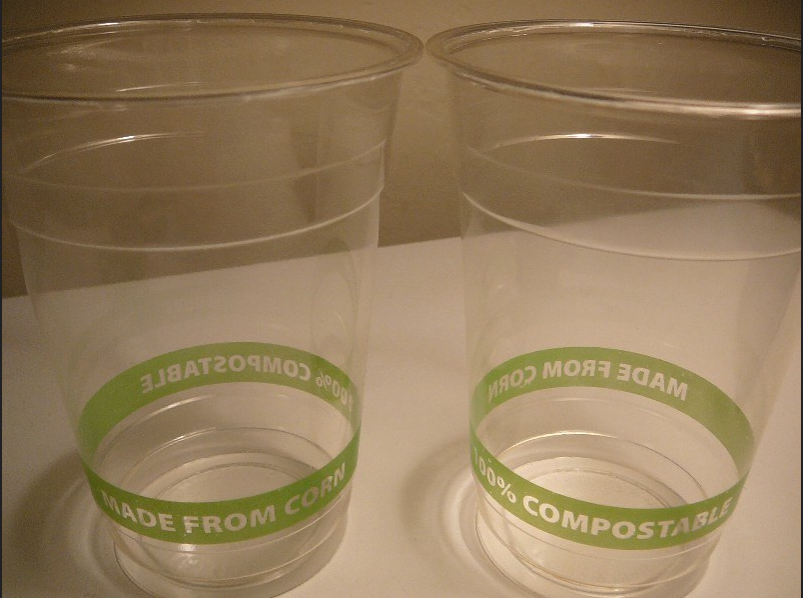 Compostable corn-based plastic. Source: Majiscup Paper Cup/Flickr
Biodegradable material options
Biodegradable materials offer a promising alternative to conventional polymers in SUMDs, with several classes under active development. Polylactic acid (PLA) is one of the most widely used options, produced from renewable sources such as corn starch or sugarcane. It offers good rigidity, transparency and ease of processing, which makes it suitable for applications like disposable packaging and certain types of sutures. However, PLA has notable limitations: it is brittle, degrades relatively quickly in humid environments, and is not ideal for high-temperature sterilization processes such as autoclaving.
Polycaprolactone (PCL) provides greater flexibility and has a much slower degradation profile. Its soft mechanical properties and long breakdown period make it especially useful in drug delivery systems and tissue scaffolds, where gradual resorption is beneficial. Yet, its low strength and limited structural stability mean it cannot replace traditional plastics in devices that require mechanical durability.
Polyhydroxyalkanoates (PHAs) are a family of polyesters produced via microbial fermentation. They are fully biocompatible and biodegradable, with mechanical and degradation properties that can be tailored through variations in chemical structure. This versatility makes them attractive for both implantable and non-implantable applications. However, PHAs remain expensive to produce at scale, and their performance can be inconsistent depending on the source and formulation.
Starch-based and cellulose-based polymers are also being explored, especially for their low cost and fast degradation. These materials are often blended with other biopolymers to improve strength and water resistance. They are generally most suitable for short-use or low-stress components, such as certain types of wound dressings or internal packaging layers. While attractive for their sustainability, their mechanical properties and moisture sensitivity limit their broader use in medical settings.
Overall, each biodegradable material class presents trade-offs in degradation rate, mechanical strength, processability and compatibility with sterilization methods. No single material currently meets all performance requirements for SUMDs, but targeted use in specific applications is already underway and expanding.
Practical uses in clinical settings
Biodegradable materials are being applied in several areas of medical device development, particularly where device removal is not practical or where gradual resorption offers clinical benefits. Absorbable sutures are one of the most established examples. Typically made from PLA, PGA or similar polyesters, these sutures are designed to degrade in the body over time, eliminating the need for removal and reducing follow-up interventions.
In drug delivery, biodegradable carriers such as PCL and PHAs are used in slow-release implants that gradually dissolve as the active substance is delivered. This reduces the need for secondary procedures and minimizes residual material in the body. These systems are especially useful for localized, time-controlled treatments.
Wound dressings are another area where biopolymers are in use. Some dressings incorporate thin films or mesh structures made from biodegradable materials, which can remain in place as healing progresses and eventually break down without removal. This is particularly useful in sensitive or high-risk wound care.
There is also growing interest in using biodegradable materials in temporary implants, such as surgical meshes, pins, or stents. Although early studies show promise, most biopolymers currently lack the mechanical strength needed for load-bearing or long-duration applications.
Finally, biodegradable packaging for low-risk medical tools and kits is beginning to enter the market. PLA-based films and blends can serve as sterile barriers, although their shelf life and compatibility with long-term storage and sterilization need further improvement.
Overall, while these materials show potential in selected applications, they are not yet suited for every device category. Products that require prolonged mechanical integrity, resistance to moisture or robust sterilization protocols continue to rely on traditional plastics. Ongoing development aims to close this gap by improving formulation, reinforcement and degradation control.
Toward scalable, sustainable solutions
Biodegradable materials are increasingly viewed as part of the long-term strategy for reducing the environmental footprint of SUMDs. Early adoption in applications like sutures, drug carriers and wound care illustrates that functional, clinically viable alternatives to conventional plastics are possible. These materials offer a way to lower dependence on fossil-based inputs and reduce persistent plastic waste, aligning with broader healthcare sustainability efforts.
At the same time, important barriers remain. Many biopolymers still underperform in areas such as mechanical durability, processing stability and shelf life. Their incompatibility with high-heat sterilization and relatively high production costs limit use in mainstream device manufacturing. Furthermore, regulatory and waste-handling systems are not yet designed to support broad deployment at scale.
Even so, the outlook is not static. Research into more adaptable polymer structures, improved sterilization compatibility and cost-effective production methods continues to progress. Advances in formulation and design may soon expand the feasible use cases for biodegradable materials. Equally important, shifts in procurement policies, lifecycle assessment tools and healthcare waste infrastructure could accelerate their adoption.
Rather than aiming for immediate replacement of conventional plastics, the near-term opportunity lies in targeted, high-impact applications where biodegradability adds clear clinical or operational value. If supported by sustained development and cross-sector coordination, biodegradable materials may evolve from a niche innovation to a routine part of medical device design, contributing to both patient care and environmental responsibility.