Unused fish parts contain untapped nutritional value
Marie Donlon | April 15, 2025European research organization SINTEF is attempting to use more of the fish caught at sea — up to two-thirds of which never reach the dinner table — to source nutrients like omega-3 fatty acids and high-quality proteins.
The researchers are seeking to develop a process to extract more value from each fish taken from the sea and to convert it into nutritious ingredients for both food and feed.
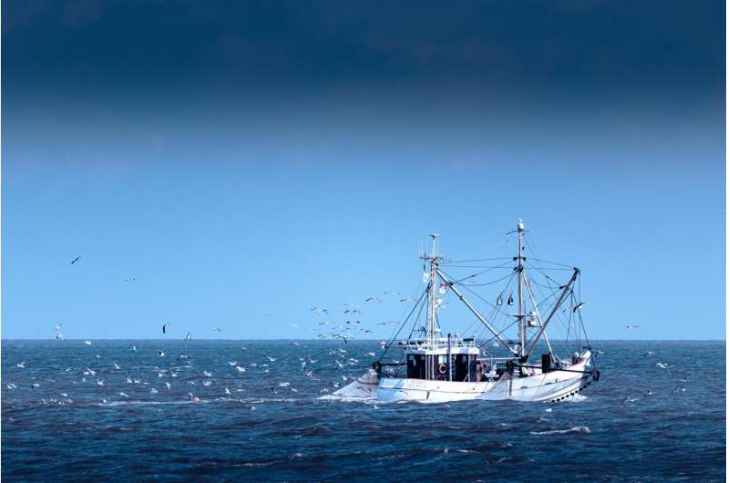
Specifically, the team is eyeing the raw materials from the viscera, liver, roe and head of fish, which are all packed with valuable nutrients. However, the quality of these residual raw materials —notably the viscera and liver — tends to quickly degrade thanks to the enzymes and bacteria present in the raw material.
"Our research shows that we could be extracting far more value from each fish taken from the sea. Since the quality of the ingredients is determined by the quality of the raw material, proper handling and preservation on board ship is absolutely necessary to ensure high quality and increased utilization," the team explained.
Because whitefish store the majority of fat in their liver, the liver is manually sorted out for the manufacture of fish liver oil in Norway's coastal fleet, the researchers explained. However, these sorting operations tend to be resource-intensive and challenging to perform on board a vessel.
As such, this has encouraged the researchers to examine the possibility of using the whole fraction of the viscera to manufacture oil without sorting out the liver.
Through this examination the team discovered that sorting out the liver is not necessary and that both the liver and viscera from cod and saithe can produce high-quality oil for human consumption that is rich in omega-3 fatty acids.
Further, it was concluded that processing the raw material instantly after the catch is crucial to achieving the highest possible oil quality.
Additionally, the team found that a preservation method dubbed silaging — wherein acid is added to control the growth of unwanted microorganisms and ensure optimal conditions for the enzymes in the raw material and thus promote hydrolysis — further enhances the nutrient quality in food.
While silage products are typically considered low-quality, the team suggests that the quality of the oil can be improved by adding acid with antioxidants instantly after catch to initiate the preservation process.
"Although viscera with liver contain a lot of fat, we found that sorting out the liver did not affect the protein content or the quality of the protein hydrolysates," noted the SINTEF researchers.
The researchers suggest that processes designed to maximize the use of raw materials can help reduce the loss of important food resources and simultaneously offer sustainable sources of omega-3 and proteins.