Open Source Laser Sintering Process Now Available
Engineering360 News Desk | March 04, 2016Researchers at Rice University have created a method to 3D print from powder. Using a modified commercial CO2 laser cutter, they’ve developed OpenSLS, a laser sintering platform that can print 3D objects from powdered plastics and biomaterials. The Rich scientists say that the open source system costs up to 40 times less than commercial processes, and could open the door for researchers and designers to work with their own proprietary or specialized materials.
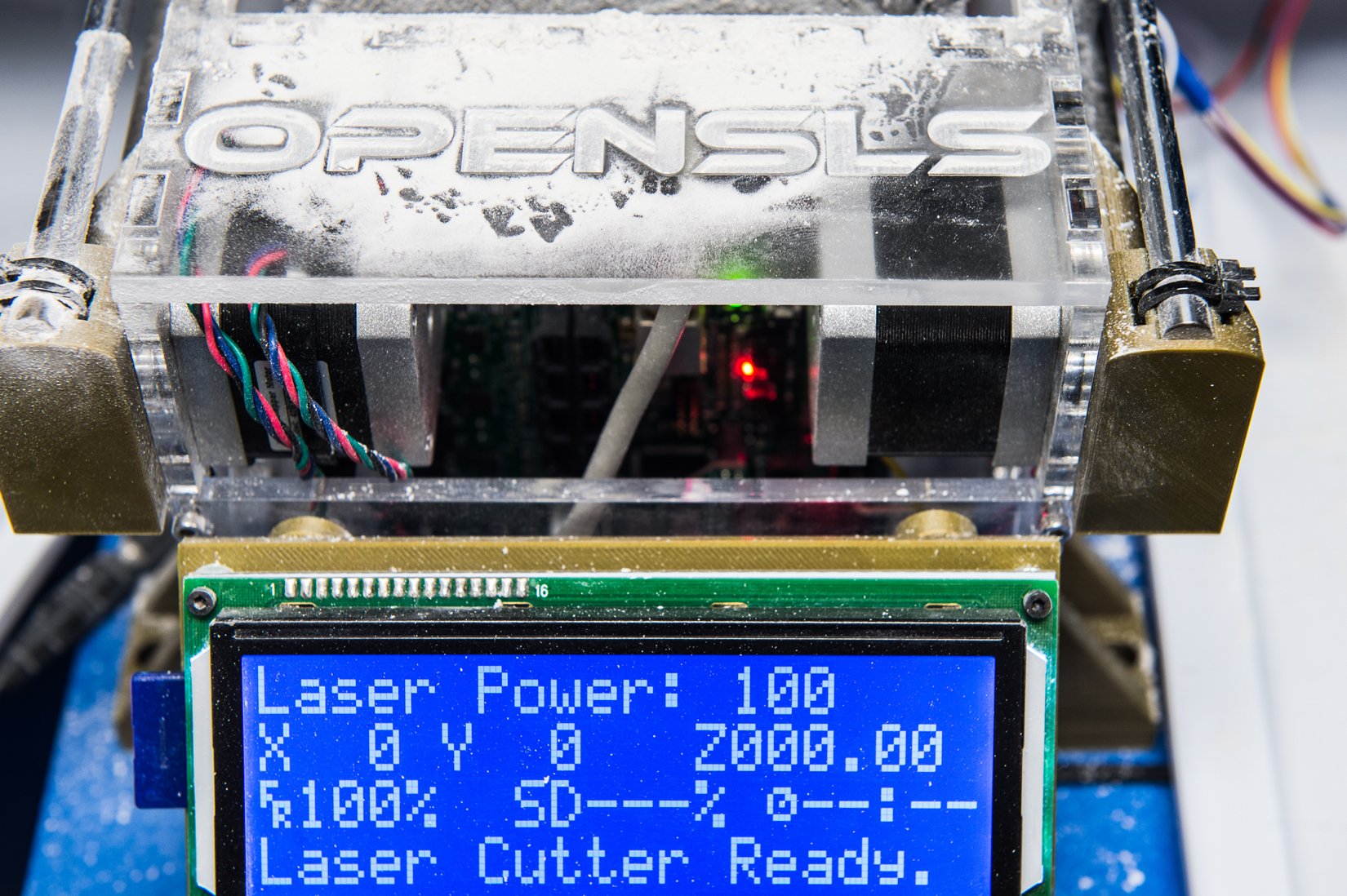 Rice University’s Ian Kinstlinger shows the geometries OpenSLS can produce. The design specs and information on the platform’s performance have been published in PLOS ONE. Built with open-source microcontrollers, OpenSLS was developed for less than $10,000 and performs as well as commercial SLS platforms that start at $400,000, the researchers say.
The machine can print using common nylon powder, which is typically used for high-resolution 3D sintering. It also uses PCL which is commonly used to make templates to study engineered bone. The ability to use their own powdered materials is critical for scientists who want to experiment with different materials for biomedical applications or regenerative medical research.
The goal for the Rice team was to create the technology at a cost that was feasible for most labs to use, share the process that is easy to reproduce and help standardize best practices and equipment at GiftHub. The researchers estimate that it would take a few days and about $2,000 to upgrade an existing laser cutter.
Laser cutters were the basis of their development work because the devices are already set to the correct wavelength range, around 10 micrometers. The cutters also come with the necessary hardware to control laser powder at the x and y axes at precise rates.