Concentrator PV systems: Harnessing sunlight efficiently
Temitayo Oketola | November 30, 2023As the world intensifies and shifts toward renewable and sustainable energy solutions, solar technology continuously evolves, offering innovative ways to capture the sun’s energy. Among the emerging solar energy technologies available in the market today, the concentrator photovoltaic (CPV) system stands out, presenting a method to boost the overall efficiency of solar cells.
A CPV combines the direct energy conversion capability of photovoltaic (PV) cells with the light-intensifying properties of concentrating systems to achieve higher efficiency rates in solar energy capture compared to conventional solar cells.
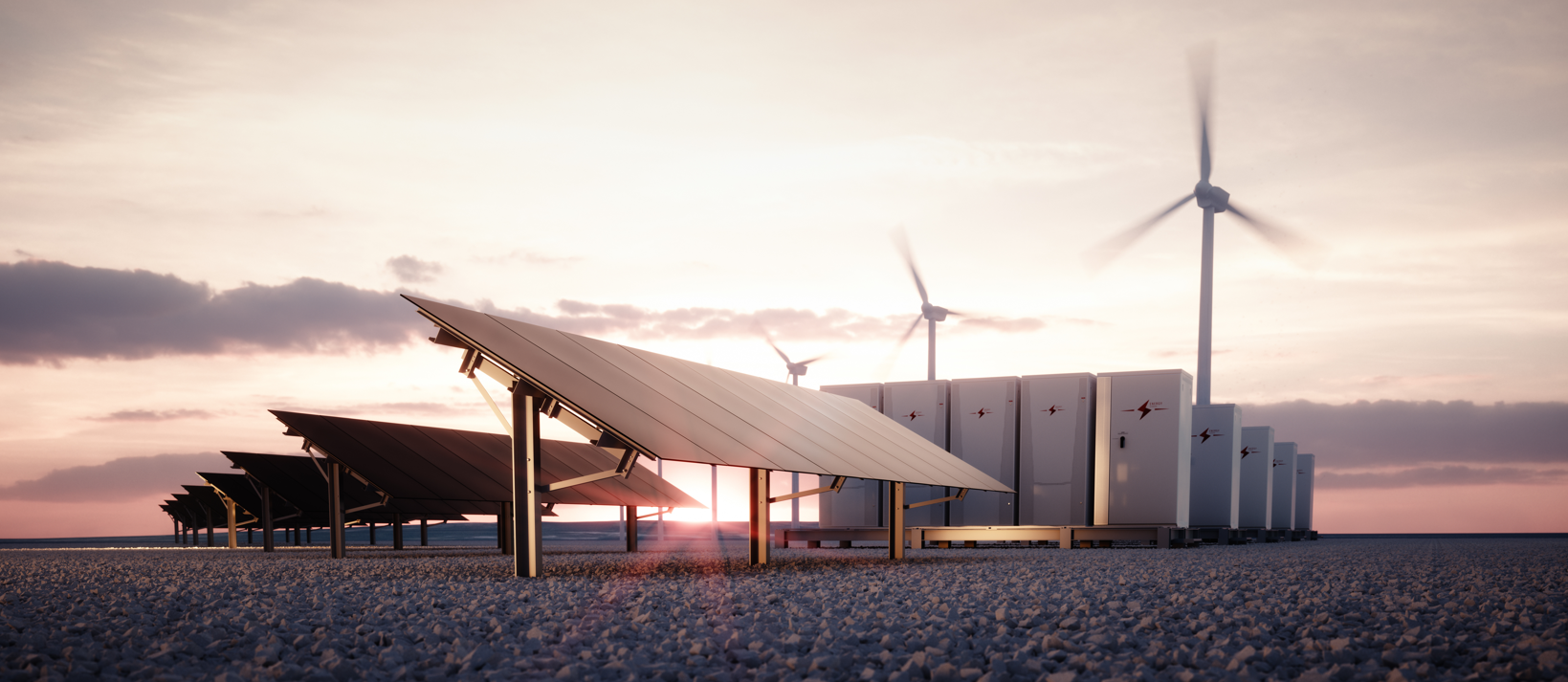 A CPV combines the capabilities of photovoltaic cells with the light-intensifying properties of concentrating systems. Source: malp/Adobe Stock
However, while seemingly simple in operation, the intricacies of CPV systems are vast and complex. These systems do not just rest on the fundamental principles of solar energy conversion. Instead, they involve the interplay of optics, materials science and engineering design. Moreover, while CPV systems promise efficiency, they still face some hurdles to widespread adoption.
The challenge with traditional PV solar cells
Traditional PV solar cells convert sunlight directly into electricity. However, these conventional PV systems (especially the widespread silicon-based ones) have an inherent limit to their efficiency, which typically ranges between 14% and 20% for commercial modules. The limitation is due to several factors, such as material properties and the spectrum of sunlight that the individual solar cell can absorb.
For instance, silicon cells are primarily optimized for the visible light spectrum. Given that sunlight consists of a wide range of energy spectra (ranging from ultraviolet to infrared spectrum), it means that photons with too much energy (ultraviolet) will lose excess energy as heat while photons with little energy (infrared) will not be absorbed at all. Overall, a significant portion of the sunlight’s energy is either lost as heat or not used at all.
Working principle of CPV systems
CPV systems mitigate some of the challenges associated with conventional solar PV systems. Unlike traditional PV modules, CPVs do not rely solely on the raw sunlight that strikes their surface. Instead, they employ optical components such as mirrors and lenses to focus the sunlight onto a relatively small area of high-efficiency solar cells. This concentration helps to amplify the sunlight intensity multiple times, maximizing sunlight capture.
At the core of CPV technology are multi-junction solar cells, which are constructed with multiple layers (or junctions), each made from different semiconductor materials. Each of these materials is optimized to absorb sunlight from a specific portion of the sunlight spectrum. As a result, CPVs can absorb photons from a broader range of the spectrum compared to the single-junction cells in traditional solar PV systems. In fact, some are indeed designed to capture photons from the ultraviolet portion of the spectrum.
CPVs can achieve efficiencies as high as 40% under optimal conditions. This allows them to generate more electricity from the same sunlight amount, addressing the efficiency bottleneck associated with conventional solar PV systems. Nevertheless, CPV systems are not without challenges.
[Learn more about solar photovoltaic systems on GlobalSpec]
Challenges associated with CPV systems
#1 Material requirements
CPV system requires advanced materials capable of absorbing sunlight in a broad range of spectrum. Moreover, the concentration of sunlight in CPV systems can lead to significant heat buildup, which can damage components if they are not properly selected for the application.
#2 Tracking requirement
CPV systems typically require tracking mechanisms to focus the sunlight into smaller cells. Moreover, unlike conventional solar PV systems that can generate electricity under diffuse light conditions, CPVs are less effective under such conditions.
#3 Initial capital costs
While the costs of CPV systems have reduced significantly over the years due to technological advancements and economies of scale, their initial capital costs are still higher than conventional solar PV systems. This higher cost is due to the costs associated with tracking mechanisms and advanced materials used in these systems. However, in areas with high direct normal irradiance (DNI), the higher efficiency of CPV systems can lead to competitive levelized costs of electricity, making them an attractive renewable energy option.
[Learn more about solar energy technology selection guides]
Conclusion
CPV systems are unique solar technologies capable of generating electricity at higher efficiencies compared to conventional solar PV cells. However, the desirable operation of this system significantly depends on it being correctly designed and sized for the specific application.