Pressure and steam combo creates shrimp with fewer allergens
Marie Donlon | July 11, 2023A new approach with the potential for producing shrimp with fewer allergens has been developed by researchers from Dalian Polytechnic University in China.
The new technology involves reverse-pressure sterilization to manufacture a less-allergenic shrimp product. The researchers revealed that when tested in mice sensitive to crustaceans, the shrimp did not provoke severe reactions.
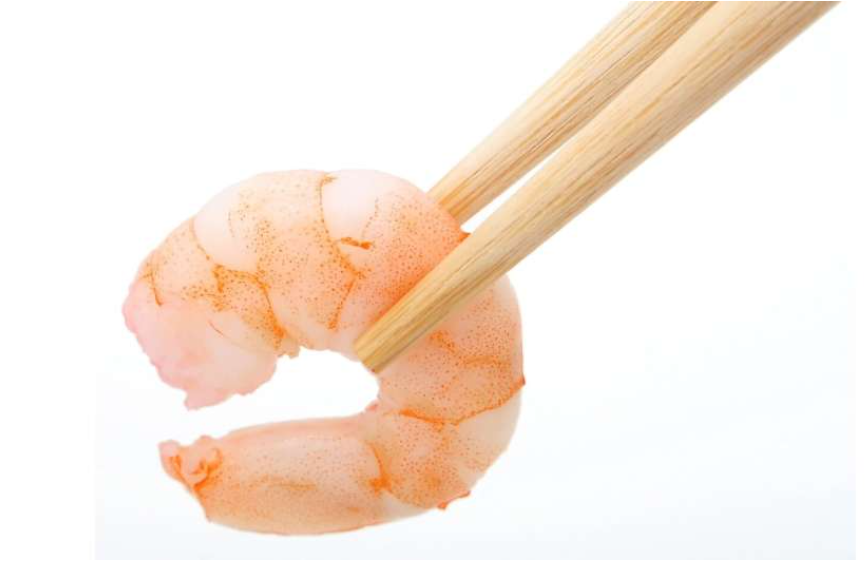
To make this determination, the researchers sorted samples of shrimp into three categories: the first group featured raw shrimp, the second group featured roasted shrimp and the third group featured roasted shrimp that was then treated with reverse-pressure sterilization wherein the shrimp were exposed to a high pressure and steam. Further, the three groups were all mashed into pastes, and fed to a group of mice with shrimp allergies.
The results revealed that the raw and roasted shrimp provoked similar reactions in the mice, including increased levels of histamine and damage to spleens and lungs. Meanwhile, the third group had milder reactions and less organ damage.
Further examination revealed that allergen proteins in the shrimp changed shape when roasted, but that antibodies could still bind to them, thus causing allergic reactions. Yet, the reverse-pressure sterilization process encouraged the proteins to cluster together, thereby concealing the binding sites, discouraging antibodies from latching on, and consequently preventing a severe allergic reaction.
The process is detailed in the article, Reduced Allergenicity of Shrimp (Penaeus vannamei) by Altering the Protein Fold, Digestion Susceptibility, and Allergen Epitopes, which appears in the Journal of Agricultural and Food Chemistry.