
Boosting vaccination rates with virtual reality
S. Himmelstein | December 06, 2019Virtual reality (VR) technology is a promising tool for communicating public health concerns and reducing 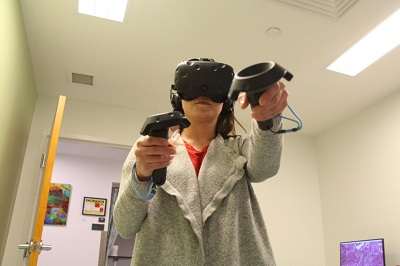 Researchers tested methods of delivering effective vaccination messages through print, video and virtual reality. Source: Sarah Freeman, University of Georgiavaccination avoidance, say researchers from the University of Georgia and Oak Ridge Associated Universities.
A VR simulation session was designed to target adults aged 18-49, of which only 26.9% were vaccinated during the 2017-18 flu season, according to the Centers for Disease Control and Prevention. Study participants self-identified as those who had not received a flu shot last year and did not plan to receive one during the 2017-18 influenza season. Researchers tested different methods of conveying vaccination information, including a five-minute VR experience, a five-minute video identical to the VR experience but without the 3D and interactive elements, and an e-pamphlet with text and pictures from the video.
The simulation pictured how the virus spreads and infects people of all ages, sometimes resulting in hospitalization. The VR intervention created a stronger perception of presence, or feeling of “being there” in the story, which increased participants’ concern about transmitting the flu to others and raised vaccination intention. Neither the e-pamphlet nor the video elicited these reactions.
By increasing the ability to convey vaccine and immunization concepts, immersive VR could help address vaccination hesitancy and acceptance challenges.


I am all for vaccinations and getting a flue shot, and also somewhat of a VR enthusiast.
This is a little scary because it implies that in general VR might have more influence on someones actions than other media.
For example will people buy more stuff from an advertisement in VR, or could you equally convince them that vaccinations are dangerous with the corresponding media.
As VR and likely AR grow in the next few years, I expect these ethical questions will come up.