Drug delivery is automatic with nanofluidic implant
S. Himmelstein | June 28, 2019Patient adherence to complicated medication regimens for the treatment of heart disease, diabetes and other chronic disorders might be assured with an implanted device that can deliver a drug on its own as needed and at the accurate dosage.
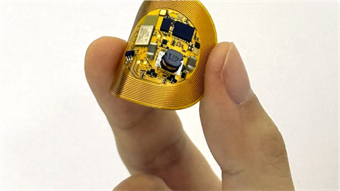
The grape-sized remote-controlled nanofluidic drug delivery implant developed at Houston Methodist Hospital operates without pumps or valves. The battery-powered device instead uses a low-intensity electric field to modify the concentration driven diffusion across a nanofluidic membrane. The rate of drug administration can be increased, decreased or stopped via Bluetooth remote command so that drug delivery schedules can be customized for patients.
The implant was used to demonstrate long-term delivery of drugs for rheumatoid arthritis and high blood pressure, medications that are often administered at specific times of the day or at varying dosages based on patient needs.
The researchers plan to test the technology on the International Space Station in 2020 and envision future application of the implanted nanofluidic device as a telemedicine tool for clinicians to use in treating patients remotely.