Molecular biologist creates biodegradable Mardi Gras beads
Marie Donlon | March 01, 2019 A molecular biologist at Louisiana State University is attempting to create biodegradable Mardi Gras beads and doubloons.
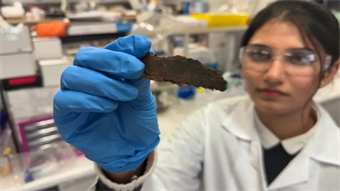
Noting the amount of the colorful plastic debris left behind in the wake of the annual celebration in New Orleans, clogging up water catch basins throughout the city, Naohiro Kato has come up with a possible solution for creating the beads using microalgae. Kato grew microalgae in the lab and, through a patent-pending process, combined the microalgae with chemicals that oxidize the compounds in algae and encourage cross-linking so that they meld together. To speed up the process of melding, Kato applied heat and pressure, followed by a drying period. A test of the current process showed that the microalgae beads would break down in one to two years in both soil and water.
Long-considered an environmental nuisance, the traditional beads distributed at the celebration are composed almost entirely of plastic, which can take hundreds of years to degrade. According to reports from last year, 950 tons of debris was left behind following New Orleans' Mardi Gras celebration, 46 tons of which was reportedly the plastic beads.
A potential stumbling block to creating the microalgae beads, Kato acknowledged, is cost. The cost of producing a plant-based alternative to plastic could be ten times that of the cost to produce the traditional plastic beads. Still, environmentalists suggest that the impact the plastic beads have on the environment are worth the price tag of a plant-based solution.
Awaiting patent approval, Kato intends to create 3,000 of the microalgae beads in time for next year’s Mardi Gras celebration.
Considering the impact plastic has on the environment, scientists and innovators from around the globe are attempting to create solutions to minimize if not eliminate single-use plastics. Researchers at the University of Nottingham have developed a 100% biodegradable and edible food packaging alternative to traditional plastic food packaging, while a Mexico-based startup has been turning avocado pits into biodegradable straws and cutlery.