Watch how a tumor monorail lures brain tumor cells
S. Himmelstein | February 19, 2019Aggressive brain tumors such as glioblastomas are difficult to treat due to their hard-to-access location and because the blood-brain barrier prevents most drugs from reaching their targets. Another factor that makes glioblastoma cancers so difficult to treat is that malignant cells from the tumors spread throughout the brain by  The device lures cancer cells into a hydrogel-filled receptacle where they are inactivated. Source: Georgia Institute of Technologyfollowing nerve fibers and blood vessels to invade new locations.
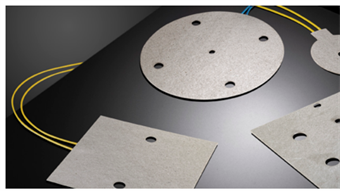
A materials-based tool designed to stop the spread of tumor cells could render these types of cancer more manageable. Emory University and Georgia Institute of Technology engineers designed polycaprolactone-based aligned nanofibers that guide cancer cells away from the primary tumor site to a sink placed on top of the skull under the scalp. Designated the Tumor Monorail, the device lures the cells into a cyclopamine drug-conjugated, collagen-based hydrogel-filled receptacle where they are inactivated. The structure resembles white brain matter where the two hemispheres of the brain meet, a common target for brain tumor metastasis.
A prototype proved effective in rat models, inducing cells to move toward the toxic gel-filled store and reducing tumor volume by 90% relative to models with smooth fibers or no implants inserted. Inclusion of more biocompatible materials, including a substitute for the toxic hydrogel, earned the design a Breakthrough Device label by the U.S. Food and Drug Administration. (FDA). This designation will speed the Tumor Monorail through the rest of the FDA regulatory process.
The researchers are working toward gaining FDA approval for human trials by the end of 2019.