Listen to Orcas to Benefit Marine Conservation
S. Himmelstein | November 07, 2018Citizen scientists have been useful in helping researchers monitor whales and documenting unusual activity, such as the presence of other animals or noise from shipping traffic. Hydrophones are especially useful at night or in poor weather when sighting networks are ineffective. Computer algorithms are playing a growing role in analyzing hydrophone audio data, but human listeners can complement and enhance these algorithms.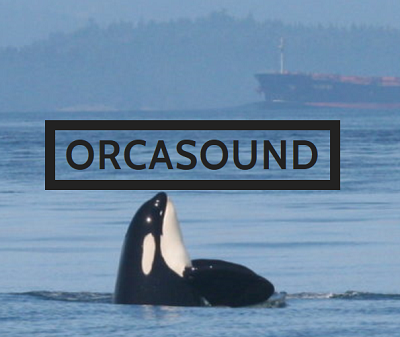 Source: Orcasound
The Orcasound research project has produced a web application that will enable citizen scientists to listen to live streaming audio from hydrophones near the San Juan Islands to identify killer whales and other novel sounds. The app offers a low-cost, user-friendly way for those interested in the study and conservation of marine life to participate in research. The initiative also saves audio data to online cloud storage servers for later analysis by both humans and algorithms.
Each node in the network uses an inexpensive Raspberry Pi computer with additional audio hardware. The computers run the Linux operating system and open-source software to encode and send audio using standard data formats made popular by online video streaming services.
Future versions will feature a button that users can click when they hear something interesting, which will help annotate the data for algorithms to analyze later.
Orcasound researchers will describe the new web app and the value of citizen science at the Acoustical Society of America's 176th meeting, held in conjunction with the Canadian Acoustical Association's 2018 Acoustics Week in Canada, November 5 to 9 at the Victoria Conference Centre in Victoria, Canada.