
Four Smart Sensors that Mean Smart Business
September 10, 2018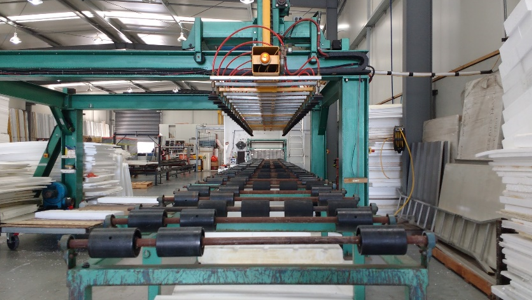 Figure 1: A production line like this one could be improved by smart sensors.Sponsored story
Smart technology is taking over the world. Every industry must adapt to the new smart world and manufacturing is no exception. Actually, manufacturing has the most to gain by integrating smart technology. Factories can become more streamlined, produce products more efficiently and even become more eco-friendly just by installing smart technology.
One aspect of this transition is the installation of smart sensors. There are many to choose from, so which ones should be installed? Below are four smart sensor options that can bring a factory from the old era into the smart world.
1. Smart Tracking Sensors
A smart tracking sensor monitors factory production. Smart tracking sensors gather information at every manufacturing step, reporting the interaction between all machines on a factory floor. These sensors also send data to factory operators. As a result, problems in the assembly line or production process can be automatically detected and communicated. Before the advent of smart tracking sensors, factories relied on workers to keep a vigilant eye on the production process. That left plenty of room for the kind of human error that smart tracking sensors can eliminate.
2. Energy Management Sensors
Energy management sensors track and analyze a factory’s energy usage. These sensors gather information on power usage and device management, providing power and utility bill analytics that can help managers create a plan for reducing overall energy consumption. Lowering energy consumption makes factories friendlier to the environment — and saves the company money.
3. Machinery Health Sensors
Machinery health sensors track the health of machinery itself, rather than the health of the production process overall. The goal of these sensors is to extend the life of the machinery. When machinery health sensors detect a broken machine, they send an alert to prompt a quick repair response. They can also predict a problem likely to occur in the near future, allowing it to be addressed before it grows into a serious issue. This allows the factory to avoid being forced to slow or shut down production, saving money and time.
4. Radio Frequency Identification (RFID) Sensors
Thanks to their ability to read information contained in RFID tags, RFID sensors can track assets. RFID tags containing identification or other information can be attached to individual pieces or collections of inventory; RFID sensors scan these tags as they go through the assembly line or production process. Used together, RFID tags and sensors provide proper parts identification, prevent inventory loss and ultimately ensure the integrity of the final product. They also eliminate the need for manual data entry, yet another way to bring factories into the smart era.
In sum, there are many smart sensors on the market. The list above represents just four sensors designed to bring factories into the smart era; there are more smart sensors and technologies being developed and released all the time. This is just the beginning of the age of smart technology — and factories will want to get on board now, to avoid being left in the dust.


A clever monitoring sensor video display units manufacturing facility production. Clever tracking sensors gather facts at every production step reporting the interplay between all machines on a manufacturing facility ground. Those sensors additionally send records to factory operators. Energy management sensors song and Purchase Coursework Online examine a factory’s strength utilization. Equipment fitness sensors song the health of machinery itself as opposed to the fitness of the production technique overall.