
5 Tips for Maintaining Efficient Parts Production
Siobhan Treacy | July 30, 2018For many part producers, it can be difficult to maintain an efficient process. It is easy for designers or producers to take shortcuts or what seems like a “quick fix” to produce parts as quickly as possible. These shortcuts may seem like the fastest way to produce a part, but they typically end up costing everyone more time because with shortcuts come mistakes. Below are a few tips and tricks that can help designers and producers to produce parts as efficiently as possible.
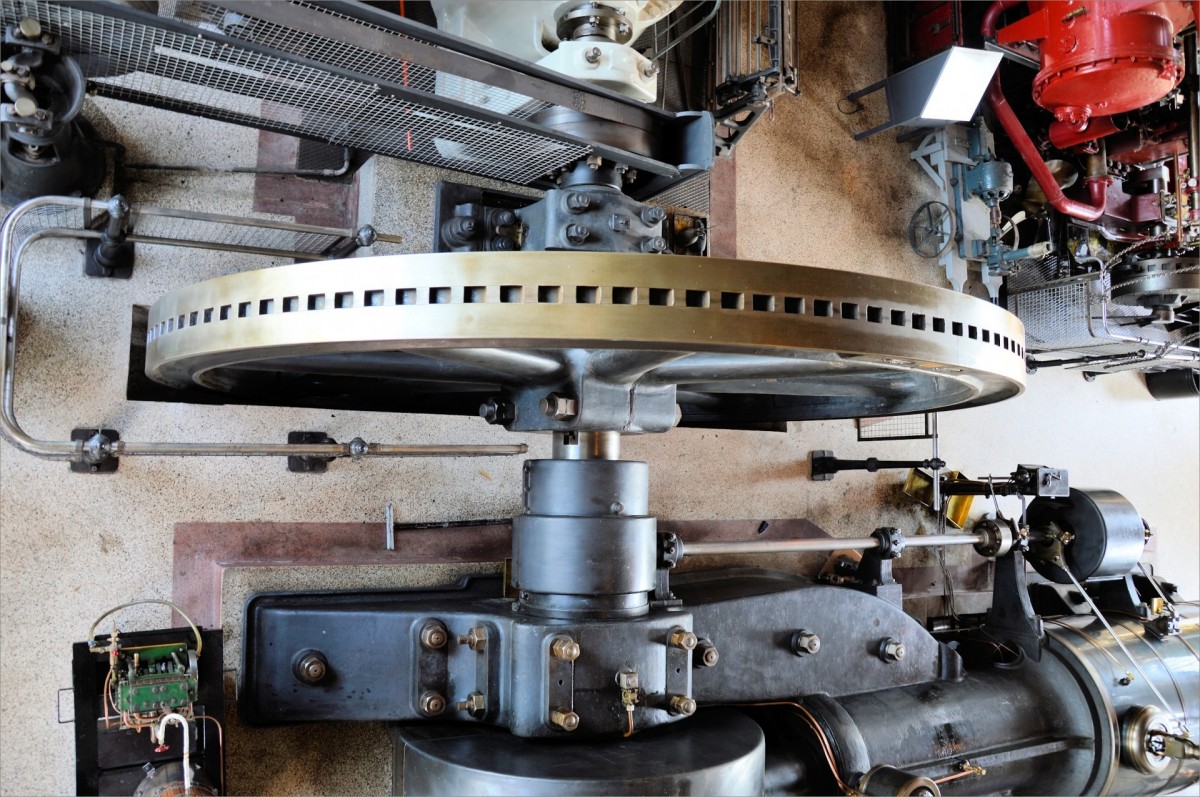 Efficient parts production is within reach. Source: PxHere
1. First, You Must Draw
The initial designs and drawings are the first step to creating a part efficiently. There are often many parts that go into a good design. To create an accurate and efficient design there are a few details that are key. A design must have text and lines that are large and dark. Yellow, light blue, light gray and other lighter colors do not show up well and are not easy to read when printed, faxed or copied. Black is the preferred color for not only text but also the lines of the actual design. The color used must be readable. The drawing must also include clearly labeled and unique numbers and names for all of the parts and materials that are used. The designer must also include the specific materials that are being used to create the part in the actual design drawing. If possible, including a semi-dimensional design with the 2D print design is helpful. Once you have the design down, you can move on to the next step — production.
2. Create a Designer and Production Checklist
Checklists may seem unnecessary or time-consuming, but they are incredibly helpful during the production of effective parts. They provide the designers, customers and producers with clear instruction as to how the part is to be produced. This ensures that there is no confusion during the actual production process. Designers and producers can refer to the checklist to find detailed prints; design issues that may arise or have happened in past productions; the materials to be used; finishes required for the materials; and anything else that the designers are going to need to review and keep in mind when producing the parts.
3. Structure and Communication is Key
Before production can start and after a checklist has been created, a structure of the production needs to be established. The person in charge of the whole process needs to be communicating clearly with everyone in the process, including the customer, designer and producer. Before a single button is pressed on production, everyone needs to be clear on what the part is going to look like, what it is going to be made of and any other important details that pop up during designing. The key to production efficiency is communication.
4. Find the Best Method for Producing the Part
There are so many methods that go into producing parts. It can be overwhelming and confusing. Manufacturers don’t want to waste time trying out a bunch of different production methods before finding the right one. So, knowing the best method of production before going into production is huge. Some examples of manufacturing methods include casting and molding, sheet metal stamping, machining, 2D cutting, 3D printing or additive manufacturing, and material thermoforming. Each of these production methods has their pros and cons, and choosing which method to use depends on the kind of material the part will be made of, what the cost of the method is, how much time the producer has to produce the part and more.
5. Keep Looking at the Design
During the production process, it can be easy to stop referring to the design after a part or two have been produced. Once a designer or producer feels that they have the process down, often they don’t keep looking back at the design as the parts are being produced. It is important to keep looking back at the design with every part before and after it is produced to make sure that the part matches up and the process is going as smoothly and efficiently as possible.
Hopefully, these tips will help you maintain an efficient production method for all kinds of parts, from machinery and mechanical, to electric and more. Do you have any other tips or tricks that are helpful during the production process? Comment your tips and tricks below.

Hi,
"Find the Best Method for Producing the Part" shouldn't this be considered at the outset? Any designers worth there salt should have at the very least an appreciation of materials (not mentioned) and manufacturing processes.