Watch: Platypus Protein Could Combat Antimicrobial Resistance
S. Himmelstein | March 16, 2018The platypus is certainly an unusual creature: the duck-billed mammal lays eggs and males sport venom-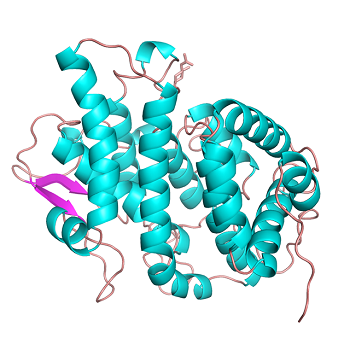 The Shirley Temple protein: This is the first time a protein structure with such a fold has been found. Source: CSIROdelivering spurs on their hind feet. Females lack teats and express milk from a mammary pad onto their bellies for the young to suckle.
To add to the singular characteristics of the platypus, its milk contains a unique protein with antimicrobial activity. Researchers from Australia’s Commonwealth Scientific and Industrial Research Organisation and Deakin University theorize that this protective property evolved to safeguard the health of offspring consuming milk exposed to pathogenic infection in the nursing environment on mom’s abdomen.
Examination of the protein's structure and characteristics revealed a never-before-seen folding structure. The ringlet-like formation prompted researchers to dub it the "Shirley Temple" protein in reference to the famous child-actor's curly hair.
Could the platypus protein play a role in the development of new therapeutics in this era of widespread antibiotic resistance? The team is seeking collaborators to take the potentially life-saving platypus research to the next stage.
The research is published in Structural Biology Communications.