Farmers Use Artificial Intelligence, Internet of Things to Combat Pests
Marie Donlon | February 06, 2018Hoping to reduce the costs associated with agriculture lost to crop pests and disease each year (R$55 billion a year in Brazil alone), digital agriculture company Agrosmart is working toward a solution using IoT technology and AI.
The company, which is based in Campinas, Brazil, is in the midst of developing a connected application to inform farmers of the correct amount of agrochemical to apply and when to apply it to best combat pests — both cost-effectively and with less environmental impact.
Agrosmart is relying on tools such as chemical pesticides, light traps, synthetic pheromones and biological agents (together called integrated pest management) in combination with artificial intelligence to battle the insects.
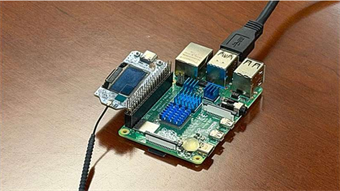
The pheromones will be used to attract insects to deliberately-located traps around the plantation that are outfitted with sensors connected to on-board electronic systems. The sensors will transmit data to an internet server that processes images and counts the number of insects in those locations. The decision to use the agrochemicals will be dictated by the number of insects per square meter, and the farmer will receive such data through a report via smartphone or tablet.
Luckily, researchers believe that the matter of internet connectivity, which can be particularly challenging in rural areas, won’t be an issue for Agrosmart.
"Internet access in remote rural areas is very difficult. In some places, 3G doesn't work even in the city center," he says. "However, Agrosmart has surmounted this connectivity barrier with customized solutions for every region. If 3G isn't available, we use satellite technology."
Already testing prototypes, Agrosmart believes the system is a reliable one and researchers expect to finish the app within 18 months.
"So far, the worst error rate we've recorded is 5 percent," said agronomist Marcus Vinicius Sato.