Energy Storage Could Replace Indian Point Nuke, Study Says
David Wagman | May 09, 2017A study released by the New York Battery and Energy Storage Technology Consortium and Strategen Consulting suggests that energy storage in combination with other energy sources, can replace the 2,000 megawatt (MW) Indian Point Nuclear Power Plant north of New York City.
The study, performed by Strategen Consulting, a clean energy consultancy, says that 450 MW of energy storage -- in combination with additional wind, solar, and energy efficiency -- can help fill the gaps created by the closure of Indian Point.
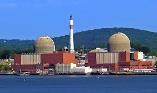 The Indian Point station is set to close in 2021(Read "Facing Threat, Nukes Work to Polish Their Green Cred.")
The analysis projects an estimated $315 million in savings from energy storage over a five-year period.
The assessment assumes an installed cost of $1,600 a kilowatt for an energy storage system with a 20-year life expectancy and that provides four hours of electricity supply. Fixed O&M costs for such an array could be on the order of $16/kW a year, the study says.
The report says that regulation reserves are the most highly valued ancillary service in the New York ISO region. Regulation prices in recent years have ranged from $9.23-$12.87/MWh. To estimate the revenue potential for an energy storage array, the study assumes a regulation price of $9/MWh, a round-trip efficiency of 85%, and an availability of 16 hours a day and 350 days a year. Net of energy losses, the study estimates regulation revenues could be worth $34,720/MW installed.
The report says that energy storage systems can be installed relatively quickly, sometimes in as little one or two years. In California, a recent crisis spurred regulators and industry to install around 100 MW of storage capacity in six months. (Read "Energy Storage Rises from California Crisis.")
In January 2017, New York State Governor Andrew Cuomo announced that under a settlement with Entergy, the Indian Point Nuclear Power Plant will close by April 2021. New York State has also established a Clean Energy Standard requiring that 50% of the state’s energy come from renewable energy sources by 2030 and has committed to reducing greenhouse gas emissions by 40% by 2030 and 80% by 2050.
(Read "Operating New York's Electric Grid.")
"New York's situation closely mirrors California's recent experience when a major nuclear plant was retired near Los Angeles. Rather than relying exclusively on traditional replacement options like natural gas, California turned to clean energy resources such as energy storage. New York has the opportunity to do the same and benefit from another state's experience," says Ed Burgess, senior manager at Strategen Consulting.