Six Steps for Autonomous Vehicle-Friendly Cities
David Wagman | March 13, 2017A study by transportation, economics and urban planning experts has found that ridesharing and ridesourcing services using autonomous vehicles (AV) could shift millions of drivers away from personal cars in major U.S. cities.
“Driverless Future: A Policy Roadmap for City Leaders,” prepared by Arcadis, HR&A Advisors and Sam Schwartz Consulting, says that the move to ridesharing and ridesourcing services that don’t have a driver could cause a shift of up to 60% (3.6 million cars) from traditional to autonomous vehicles in the New York metro area alone over the next 15-20 years.
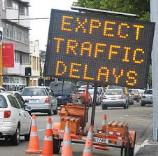 Bad planning for driverless cars could lead to more congestion, the report says.The Los Angeles metro area could see a shift of up to 44% (2.2 million cars). And the Dallas-Ft. Worth metro area could see a shift of up to 31% (nearly 1 million cars).
To help cities prepare for such profound changes in daily life, the consultants offer a policy road map for issues related to autonomous vehicles and their potential impact on equity, public transit, parking, land use, and real estate development.
The report outlinees six priorities for city leaders:
1. Leverage technology to enhance mobility: Cities and private partners should embrace smartcards, open data, and universal apps. Doing so would allow riders to compare, book, and pay for trips that combine buses, trains, bikes, and ridesharing. Pilot programs are already in place in cities ranging from Los Angeles to Helsinki.
2. Prioritize and modernize public transit: Cities and transit agencies should focus on high-ridership, high-frequency light rail and bus rapid transit systems. Driverless shuttles would provide first- and last-mile connections for riders. Similar shuttles are being tested in London and Singapore.
3. Implement dynamic pricing: To reduce congestion and create a level playing field between public and private transportation, cities should consider dynamic road pricing plans that vary by origin and destination, number of passengers, congestion, and/or household income. This can be implemented through tools such as congestion pricing, zone pricing, vehicle-miles traveled fee, among others.
4. Plan for mixed-use, car-light neighborhoods: Cities need to plan for and incentivize mixed-use development, overhaul parking requirements, and reevaluate new transit projects.
5. Encourage adaptable parking: Fewer personal cars means fewer parking spaces, especially in city centers where much of the land use is taken by parking garages or lots. Parking garages need to be built with housing or office conversion in mind and include level floors, higher ceiling heights and centralized ramps. These garages are being contemplated in Boston and Nashville, Tenn.
6. Promote equitable access to new jobs and services: To support disadvantaged populations, cities must encourage public and private operators to provide alternative payment methods, access via dial-a-ride, and equitable service coverage. Cities and private partners must also create new employment and training opportunities for drivers and others in so-called legacy occupations.
“Left unregulated, the popularity and affordability of driverless cars may have the opposite effect for cities by increasing congestion, encouraging sprawl, and exacerbating growing inequalities,” says Peter Glus, Arcadis North American Cities Director. “Additionally, public agencies may face lower transit ridership, resulting in lost revenues from transit tickets, parking fees and other once-reliable revenue sources.”