IoT Could Cause Energy Use to Spiral
John Simpson | August 24, 2016The growth of remote digital sensors and devices that are connected to the internet—commonly known as the Internet of Things (IoT)—has the potential to bring virtually unlimited increases in energy consumed by smart technologies, according to Lancaster University researchers.
“The internet is consuming an increasing portion of global electricity supply, and this growing consumption is a significant concern in global efforts to reduce carbon emissions," says Dr. Mike Hazas, senior lecturer in the university's School of Computing and Communications.
According to Ofcom, the UK telecommunications regulator, home monthly broadband data volumes in the UK increased from 17GB in 2011 to 82GB in 2015. While data volumes for mobile devices are typically smaller, they are growing rapidly—more than doubling every few years, according to Ericsson and Cisco.
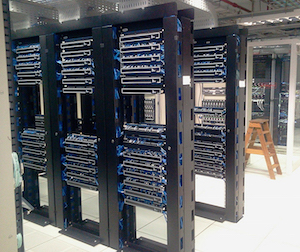 Home monthly broadband data volumes in the UK increased from 17GB in 2011 to 82GB in 2015. Image credit: Pixabay. Until now, there has always been a potential ceiling for increases in data on the internet, including the finite, albeit growing, number of people on the planet and the limited number of hours in a day that people can interact with online technology, the scientists note. However, autonomous streaming of data by billions of sensors built into everything from driverless vehicles and smart home thermostats to industrial production processes removes the existing potential constraints to the growth in internet energy consumption, they argue.
“The nature of internet use is changing and forms of growth, such as the Internet of Things, are more disconnected from human activity and time use," says Hazas. "Communication with these devices occurs without observation, interaction and potentially without limit.”
The researchers suggest that consideration be given to how limits to data growth could be planned before the forecast growth of the Internet of Things occurs. There are currently 6.4 billion connected IoT devices, and it is estimated the number could reach 21 billion by 2020.
“The Internet of Things is still in the making, and it is important to consider existing ideas for a ‘speed limit’ to the system, especially in comparison to having to retrospectively reduce internet traffic in the future,” Hazas says.
Hazas and his colleagues point out that it is not clear how data limits could be imposed, but options could include volume quotas and different traffic pricing for the most data-intensive online services.