A light-powered approach to hydrogen electrolysis
Marie Donlon | October 08, 2026A new, light-powered device that produces hydrogen from seawater while also removing hydrazine from contaminated water has been developed by a team of scientists at Nanyang Technological University (NTU).
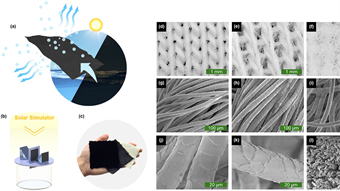
According to its developers, the device employs photocathodes to produce the electricity needed to convert toxic hydrazine into nitrogen and water, which can then be converted into hydrogen at the anode, all while eliminating the need for an external power source.
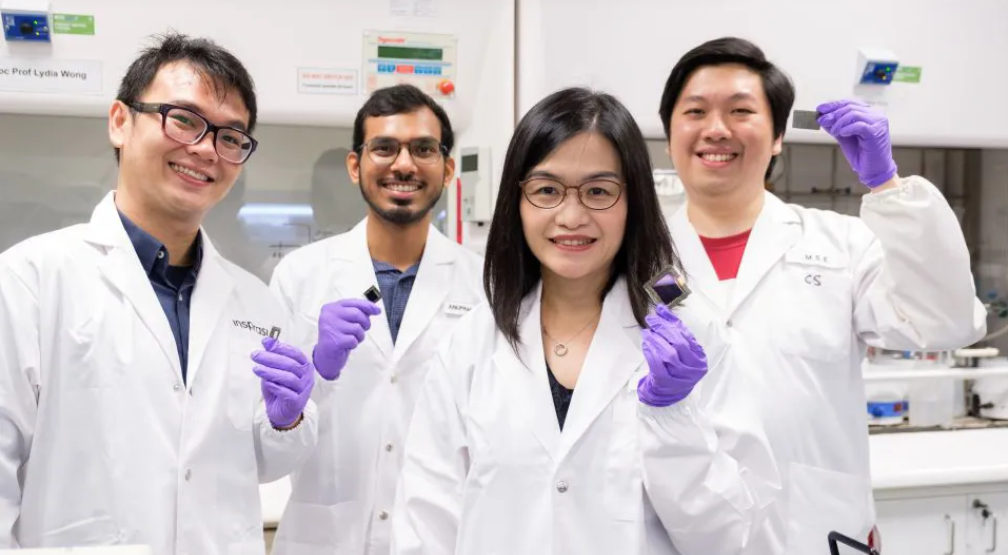 Source: NTU Singapore
Conventional water electrolysis splits water into hydrogen and oxygen using electricity, but seawater can hinder the process. Chloride ions can interfere with the reactions and produce corrosive chlorine compounds, reducing efficiency.
Researchers at NTU have developed an alternative approach that uses hydrazine at the anode. A catalyst oxidizes hydrazine into water and nitrogen, which requires less power than producing oxygen. The photocathode can then generate hydrogen from the water. Some hydrogen also forms at the anode as the hydrazine decomposes. This reaction requires less energy than the oxygen-producing reaction used in conventional electrolysis.
The team suggests that this enables the device to more efficiently produce hydrogen while treating hydrazine-contaminated water at the same time. Further, the process also allows for the suppression of the formation of chlorine compounds.
The catalyst features iron, cobalt and chromium and was developed to resist corrosion. The team noted that its electrical, physical and chemical properties can be tuned to different applications.
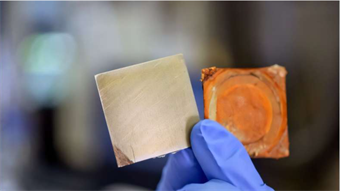
The team also noted that the photocathode was created using lead halide-based perovskites that are protected against degradation thanks to a conductive epoxy resin that contains silver and copper particles, along with titanium foil.
The device maintained stable performance in both simulated and real seawater, achieving a photocurrent density of 25 mA/cm², which the researchers said is one of the strongest yet recorded for this type of cathode. When exposed to sunlight-equivalent illumination, the system operated for more than 72 hours and produced hydrogen at a rate of 466 μmol/cm²/h.
The system also simultaneously removed hydrazine from contaminated water. In 30 hours, it reduced hydrazine levels from 0.5 M to 0.5 ppb, well below the U.S. EPA’s 10 ppb limit, according to the research.
The researchers are now developing catalysts that could allow the technology to target other pollutants while converting waste into fuels and industrial chemicals.
An article detailing the technology, “Self-powered artificial leaf using perovskite photocathode for solar hydrogen production and hydrazine degradation,” appears in the journal Nature Communications.