Understanding pH sensor diagnostics
Edward Davies, courtesy of Mettler Toledo | October 01, 2026pH sensors are highly sensitive pieces of equipment that rely on careful use and maintenance to ensure effectiveness, reliability and longevity. Diagnostic tools and practices are utilized in labs across the world to identify specific issues and address their causes.
To identify what might cause a pH sensor to lose its sensitivity, it is first important to understand how they are constructed. This article will then expand on this to demonstrate how pH sensors can become damaged, how this may impact measurements and what you can look out for to correctly diagnose the issue.
How are pH sensors constructed?
pH sensors are ion-selective electrodes — specifically for hydrogen ions (H+). They are built around four key elements:
· Glass electrode: Made of ion-specific glass, it senses the hydrogen ions and generates a voltage based on their concentration in a solution
· Reference electrode: A stable reference point with a constant voltage, ensuring accurate pH measurements when the difference between the voltages is measured
· Reference electrolyte: Fills the reference electrode and provides stable and conductive contact with the sample
· Reference junction: Acts as the contact point between the inner electrolyte and the sample
How do pH sensors measure pH?
pH sensors utilize the glass and reference electrode simultaneously to generate electrical potential. pH meters are essentially voltmeters that convert this potential into a quantifiable signal. The measurement range typically lies between -2,000 mV and 2,000 mV (although the range between -500 mV and 500 mV is practically relevant for most pH measurements), with a resolution of 0.1 mV. The pH meter then converts the measured activity into the pH value.
This conversion is calculated in pH meters using a formula called the Nernst equation. It dictates the change in pH value per mV (typically 59.16 mV per pH unit at 25° C).
With so many elements at work to establish the pH value of a solution, there are also a number of ways that the pH measurement can be disrupted. These can include the nature of a sample, meter issues, sensor issues, general wear and tear, and more. Diagnostic practices are designed to ensure that the correct source of measurement error is identified so that the right troubleshooting approach may be taken.
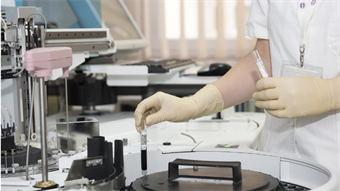
 Figure 1: Calibration is an ideal time to review and diagnose potential problems to avoid impacting measurement results. Source: METTLER TOLEDO
Common diagnostic issues
Below are some examples of common issues that may arise while taking pH measurements, and how to notice them:
Drift
Measurement drift is a common but frustrating issue, as it causes a loss in measurement accuracy. It is essentially a change in the measured pH value of a solution over time, causing uncertainty in readings. Drift may be caused by a range of factors — most commonly blocked junctions or damage to the sensor.
If you are starting to see consistent differences between the expected and measured pH values of your sample, thorough visual inspection is a good place to start. Regular sensor calibrations with fresh buffers will also ensure that drift is identified early and its impacts mitigated.
Slow response
Most pH measurement systems should generally take around 30 seconds to 1 minute to provide a clear and consistent pH value. Some sample types, particularly those with low ionic concentrations, can take more than 1 minute, but should still settle into a clear and consistent pH reading fairly quickly.
Measurements regularly taking more than 3 minutes to settle would be considered a slow response. This could indicate that your pH sensor has become fouled with protein or grease, that the electrolyte level in the sensor is too low, or that your sensor is not fully submerged in the sample. Simple visual inspection should help to find the issue in these cases.
Erratic readings
You may occasionally notice your readings jumping erratically during measurement. The most likely cause is electrical noise created by your cable set up. Be sure to avoid excessive bending of cables, keep them clear of the measurement area and make sure all connections are secure.
Electrical noise largely impacts analog sensors due to the way that the signal is transferred to the meter. In digital pH sensors, such as METTLER TOLEDO InLab DES sensors, digital signals are far less impacted by electrical noise during measurement.
Slope too low
Calibration slope is the relationship between the voltage produced by a pH electrode and the corresponding pH units, as calculated with the Nernst equation. Modern pH meters, such as the METTLER TOLEDO NineFocus pH meter, calculate and present this slope as a percentage value.
The percentage is calculated based on the measured slope compared to the expected slope. Usually, 95% to 105% slope would be an acceptable range. Although a slope being too high is a possibility, a low slope is far more common. A measurement slope consistently dropping below 90% essentially indicates a loss of sensitivity in the pH sensor, usually on the glass membrane.
This lack of sensitivity can indicate that your pH sensor is blocked, potentially due to an oily sample, that your sensor is dehydrated or that it is aging and will likely need replacement soon.
ATC errors
Automatic temperature compensation (ATC) is a part of most modern pH meters. The Nernst slope calculation is impacted by temperature, and ATC is designed to compensate for this. If ATC doesn’t function effectively, you may find your pH measurements are invalidated. If you are measuring samples that are not at room temperature (25° C) and notice your measured pH value is far different from your expectation, you may have an issue with your ATC.
If you suspect that your ATC is not working, check that your temperature probe is working first with a separate thermometer. If your pH sensor has an integrated probe that is not working, you will need to replace the pH sensor. If the temperature probe is accurate, but your ATC is not calculating correctly, you may need to contact your service provider to take a look at your meter.
Calibration problems
Failure to calibrate or make any pH measurement at all would usually indicate significant issues with a pH sensor. It is likely that the glass membrane of the sensor may be damaged or broken. A simple visual inspection should confirm this. If the glass membrane is damaged, your pH sensor needs to be replaced.
Integrated sensor diagnostics
METTLER TOLEDO InLab DES digital pH sensors offer integrated sensor diagnostic features that allow operators to trigger certain processes during calibration to help identify common issues. Through the NineFocus pH meter, this process is designed to:
· Remind users to perform regular visual checks
· Detect and flag extreme cases of measurement drift
· Detect and flag extreme temperature values
· Measure the membrane glass resistance (Rg) value of the sensor to detect potential fouling or damage to the glass membrane
 Figure 2: Integrated sensor diagnostic guidance using a METTLER TOLEDO DES digital pH sensor and NineFocus pH meter. Source: METTLER TOLEDO
Sensor diagnostics are designed to help identify and overcome a wide range of common pH measurement roadblocks. Learn more about best practices for pH measurement with the METTLER TOLEDO Good Electrochemistry Practice (GEP) Guide, and our tips on troubleshooting and pH sensor maintenance.
If you have any questions or feedback regarding this article, reach out to us at pHmatters@mt.com.